

Our Latest News

San Salvador, March 14, 2025 – In a significant event held at the San Salvador Art Museum, Lempa River Day was commemorated, highlighting the river's importance to the region and promoting the creation of sustainable solutions for its protection. The main activity of the day was the Roundtable for the Governance of the Lempa River Basin, which brought together experts, government authorities, representatives of civil society, and representatives of different religions to discuss and propose strategies for the responsible and efficient management of the river basin.
The event began with a series of conferences and round tables discussing the most pressing challenges facing the basin, such as pollution, water management, and climate change. Panelists emphasized the need for inclusive governance that integrates both the countries that share the river basin and local communities to ensure equitable and sustainable water management.
The Lempa River, which crosses El Salvador, Honduras, and Guatemala, is a vital resource for more than 6 million people, and its protection is essential to ensure the well-being of the communities that depend on it for their livelihoods and development. In this context, the working group provided a space for participants to share experiences and best practices on water resource management, promoting regional and local collaboration.
Throughout the day, creative proposals were also presented to raise awareness among the population about the importance of caring for this natural resource. One of the highlights was the presentation of a play that, through art, illustrated the deep connection between communities and the river, while highlighting the challenges facing the basin.
As part of the celebrations, several murals created by local artists were unveiled, visually capturing the symbolic and environmental relationship between the river and the region's inhabitants. The works, exhibited in the museum, invited attendees to reflect on the urgency of protecting the river as a natural and cultural heritage site.
Lempa River Day was presented as a call to action, a reminder that preserving the river is a shared responsibility. The event organizers, which included government institutions, environmental organizations, and the artistic community, highlighted the importance of continuing to work together to implement concrete policies and actions that ensure the health and sustainability of the basin.
“This day is an opportunity to reinforce everyone's commitment to caring for the Lempa River. Through dialogue and cooperation, we can face the challenges presented by the management of this valuable resource,” said one of the event organizers.
Lempa River Day 2025 was a clear example of how culture, art, and science can come together to raise awareness and promote actions that ensure the protection of our most precious natural resources.


San Salvador, El Salvador – On Friday, December 6, 2024, the “National Dialogue on the Importance of National and International Legal Frameworks for the Protection of the Lempa River Basin” was held, organized by members of the Tri-national Network for the Rescue of the Lempa River, including the Tri-national Border Community of the Lempa River.
This event brought together representatives from governments, international cooperation agencies, academia, and civil society to develop concrete proposals to ensure the sustainability and resilience of one of the region's most important water sources.
The dialogue, held at the Best Western Plus Hotel, took place from 9:00 a.m. to 1:00 p.m. and provided an opportunity to analyze existing legal frameworks, identify gaps, and explore opportunities to strengthen the management of the Lempa River basin. The day began with a presentation by the “Rescatemos el Lempa” (Let's Save the Lempa) Network, followed by a presentation on the current situation of the basin by Héctor Aguirre, representative of the Tri-national Community.
A panel of experts moderated by Ingrid Hausinger of the Heinrich Böll Foundation provided key inputs for the discussion. Alejandro Iza, from the IUCN, presented an analysis of international frameworks, while Judge Samuel Lizama presented the draft national law. Dr. María Luisa Acosta, from the Center for Legal Assistance to Indigenous Peoples, complemented this with a perspective on the Regional Treaty on Transboundary Aquifers.
The event's methodology included sectoral thematic roundtables that fostered the exchange of perspectives between governments, international cooperation agencies, academia, and civil society. These roundtables worked on prioritizing challenges and opportunities, generating consensus and concrete commitments to strengthen the protection of the basin.
The event closed with an artistic presentation by Carlos Córdova, whose performance, “La Agonía del Lempa” (The Agony of the Lempa), symbolized the challenges facing the basin and deeply moved the audience.
Organized as a joint effort by the members of the Tri-national Network for the Rescue of the Lempa River, this dialogue reaffirms the commitment to work on public policies and legal instruments that ensure the conservation and sustainable management of the basin, which is vital for El Salvador, Guatemala, and Honduras.


On Friday, November 15, the Tri-national Border Community of the Lempa River held a successful breakfast conference in Los Cebollines, San Salvador, El Salvador, with the aim of presenting the position of the Tri-national Network for the Rescue of the Lempa River to the Lempa River Conservation and Restoration Program, derived from the debt conversion between El Salvador and the United States for water conservation.
During the event, an urgent call was made to the media, government representatives, and key actors to promote a special law that guarantees the protection, conservation, and restoration of the Lempa River, one of the main sources of water in the region. This effort seeks to ensure compliance with the environmental commitments of the Salvadoran State and promote inclusive trinational governance.
We are especially grateful to the media outlets that were present at the conference and that, through their coverage, amplified the message about the importance of protecting the Lempa River. Their commitment to reporting is key to raising awareness and inspiring action.
Let's join the change!
The Lempa River needs our commitment. We continue to work together for a sustainable future.
#RescueTheLempa #Tri-NationalCommunity #UnitedForTheLempa 🌎


On Friday, September 15, 2024, the Tri-National Network for the Rescue of the Lempa River held a press conference in Cebollines, El Salvador, attended by more than 14 television and radio media outlets.
The Tri-National Network congratulated the Government of El Salvador on the agreement reached between El Salvador and the United States, whose main objective is to promote the debt swap program for the conservation and restoration of the Lempa River.
The agreement will make it possible to obtain $352 million, which will be allocated to the Lempa River Conservation and Restoration Program over the next 20 years.
In addition, the Tri-national Network emphasized the importance of promoting dialogue with society and civil society organizations, and took the opportunity to make available to the Government of El Salvador the tools and technical resources that the Tri-national Network has at its disposal, as well as the draft proposal for a “Law for the Protection, Conservation, and Restoration of the Lempa River Watershed.”
The draft bill seeks to provide a legal framework that protects and guarantees the conservation of the Lempa River, a water body of great importance.

Sinuapa, Ocotepeque, Honduras. Wednesday, November 9, 2022. The Tri-national Border Community of the Lempa River (MTFRL) today increased its support from 17 local governments and communities, which joined the “Awareness and Cleanup Campaign for the Rivers of the Trifinio Region,” which feed the Motagua, Ulúa, and Lempa rivers in Guatemala, Honduras, and El Salvador.
This Wednesday, November 9, environmental technicians from the Association, together with municipal staff and residents living on the banks of the Ostúa River in the municipalities of Asunción Mita and Santa Catarina Mita, in the department of Jutiapa, Guatemala, carried out cleanup activities on the tributary whose waters flow into the binational lake (Guatemala and El Salvador) of Guija and the trinational Lempa River.
The campaign is being carried out from November 7 to 11, with the support of the population and 17 local governments of the border municipalities that make up the Trinational Association. It began on the morning of Monday, November 7, on the Frío River in the municipality of Santa Fe in Ocotepeque, Honduras, which feeds into the Lempa River.
MTFRL technicians are responsible for raising awareness among the population, guiding them in the separation of waste types, and coordinating the cleanup campaign, which is carried out with the support of personnel and equipment from the municipalities, as well as members of the communities where the Association's various projects and programs are implemented.
On Tuesday, August 8, members of three communities where the Food and Nutrition Security Literacy Program (AlfaSAN) is implemented, along with personnel from the municipality of La Labor in Ocotepeque, Honduras, cleaned up the areas near and along the banks of the Potrero River, a tributary of the Lempa River.
Two Salvadoran municipalities in the department of Chalatenango also joined this campaign. Technicians from the Trinational Commission, with the support of the communities and staff from the Dulce Nombre de María mayor's office, cleaned up the communities and banks of the Sumpul River.
In the municipality of Citalá, where the Lempa River enters from Honduras, Mayor Alberto Ochoa accompanied the communities and municipal staff in collecting tons of trash.
The Trifinio region is the territory where the three main rivers of the three countries originate and feed into: the (binational) Motagua River, which originates in Guatemala and flows into the coasts of that country and Honduras; the Ulúa River, which originates and flows into the Honduran Atlantic; and the (tri-national) Lempa River, which originates in the mountains of Olopa, Guatemala, runs along the border of Honduras and crosses El Salvador, until it flows into the Pacific Ocean.
For this reason, the Tri-national Association, with the support of the Heinrich Boll Foundation, Fons Catalan, and local governments, is implementing this campaign, which is part of the “Let's Rescue the Lempa River” project, benefiting the upper basins that supply water to the Motagua and Ulúa rivers.
To this end, environmental technicians, mayors, and communities from the municipalities of Ocotepeque, Sinuapa, La Labor, San Marcos, Santa Fe, and Concepción de Ocotepeque in Honduras are participating.
From Guatemala: Asunción Mita, Santa Catarina Mita, in the department of Jutiapa; Esquipulas, Camotán, Jocotán, and Olopa, in Chiquimula. And from El Salvador, Candelaria de la Frontera (Santa Ana), San Francisco Morazán, Dulce Nombre de María, and Citalá in the department of Chalatenango.


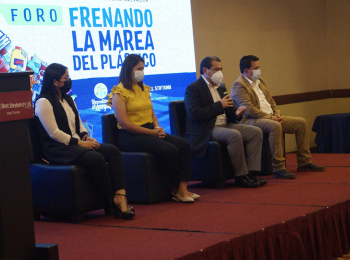
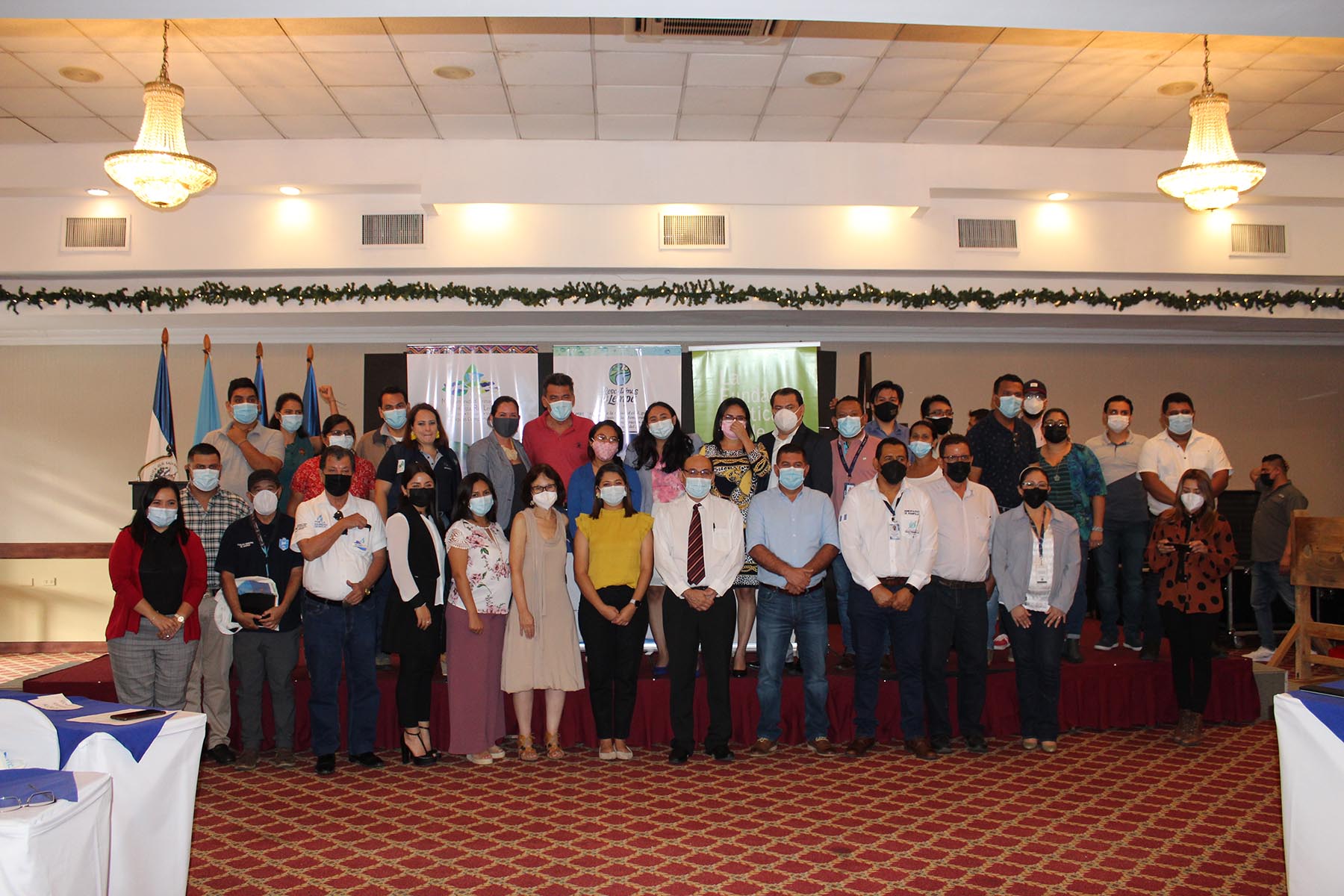
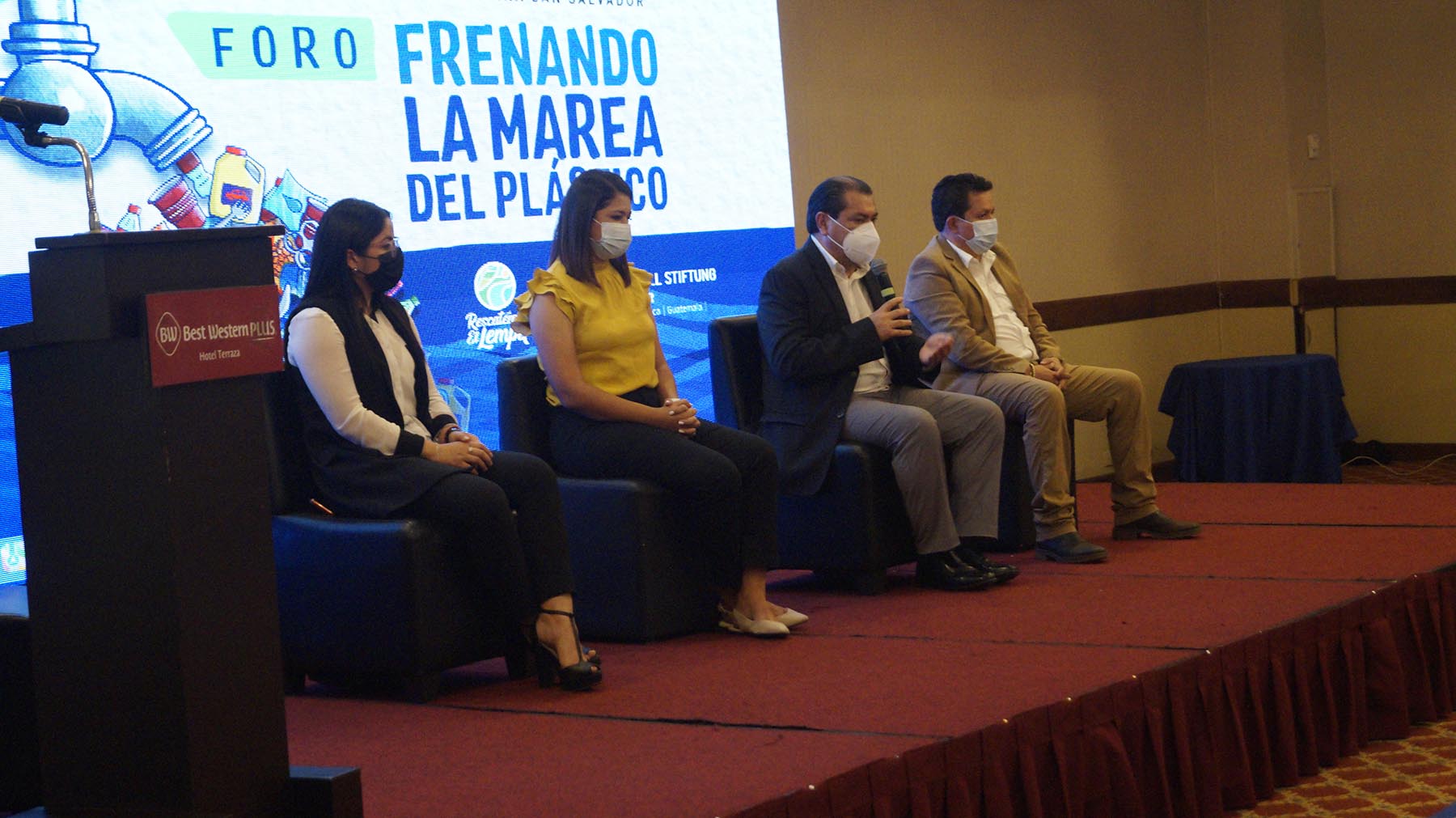
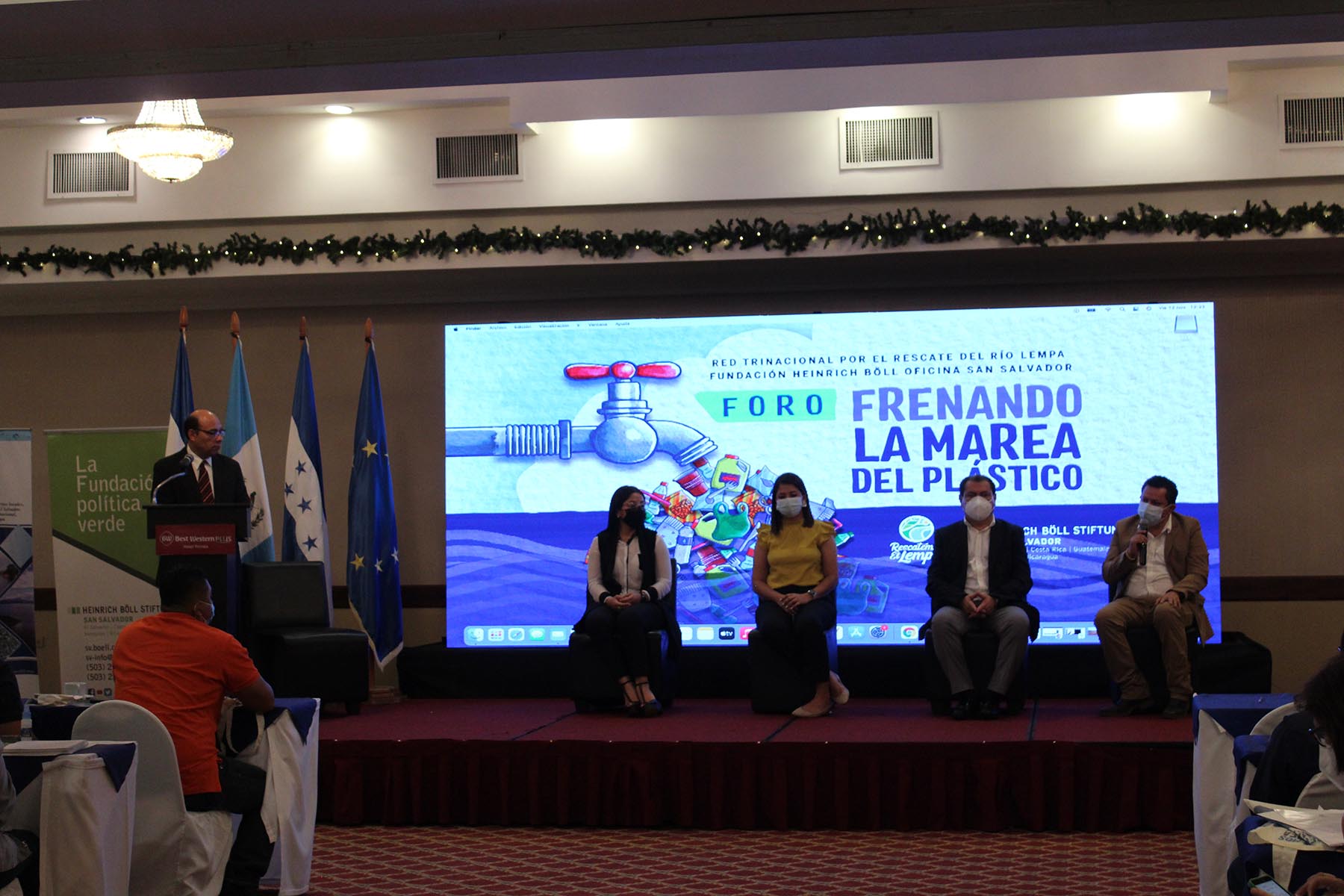
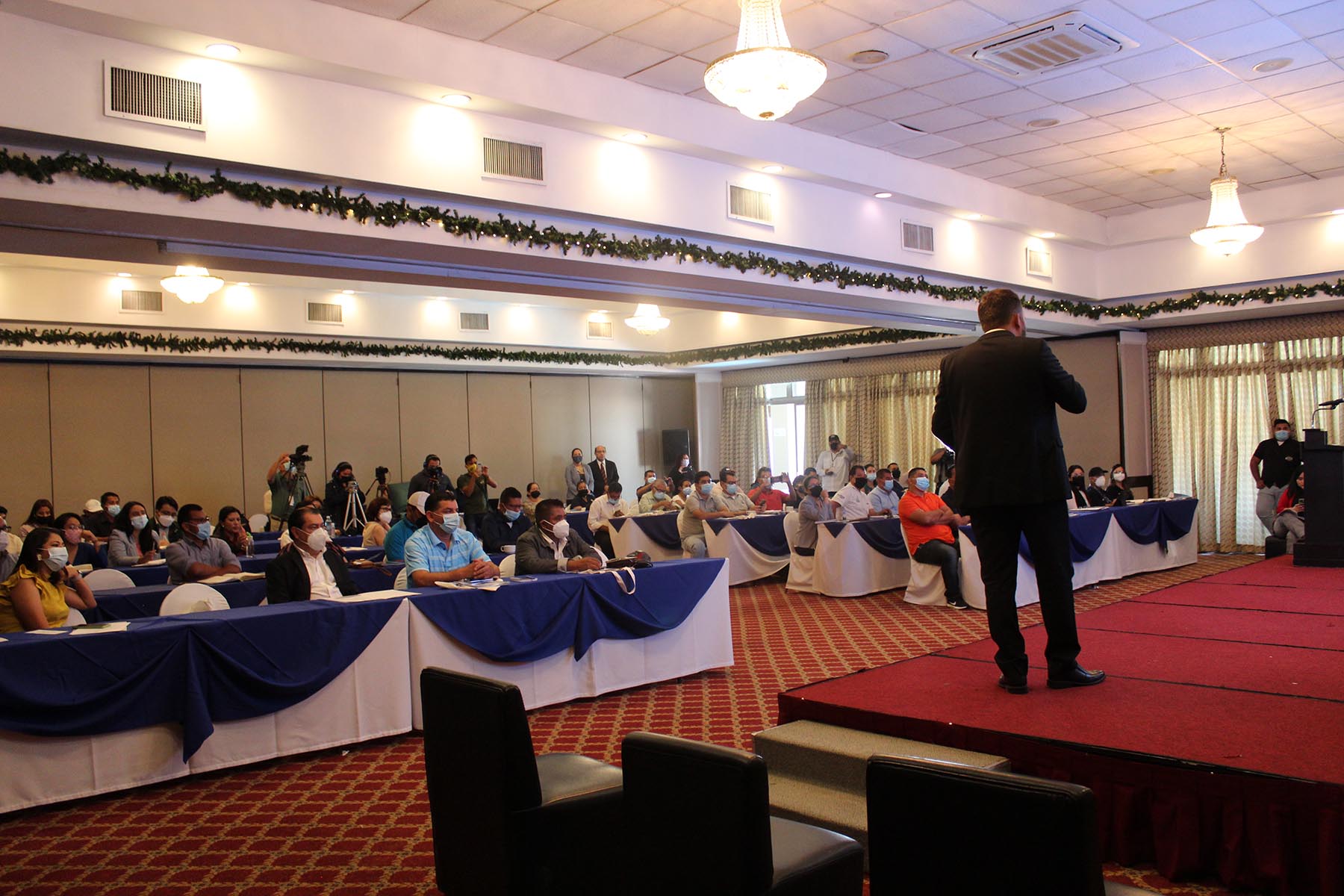
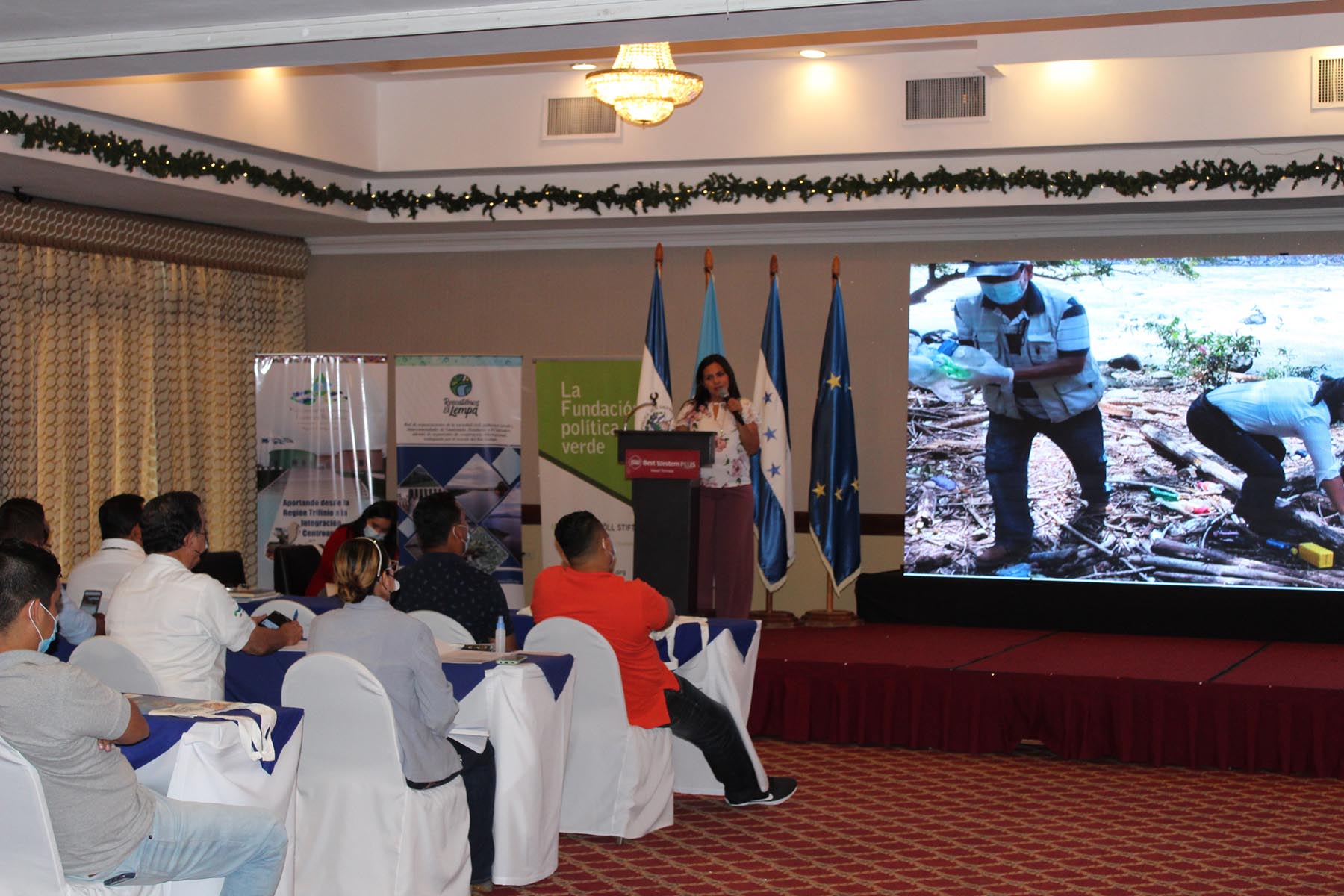
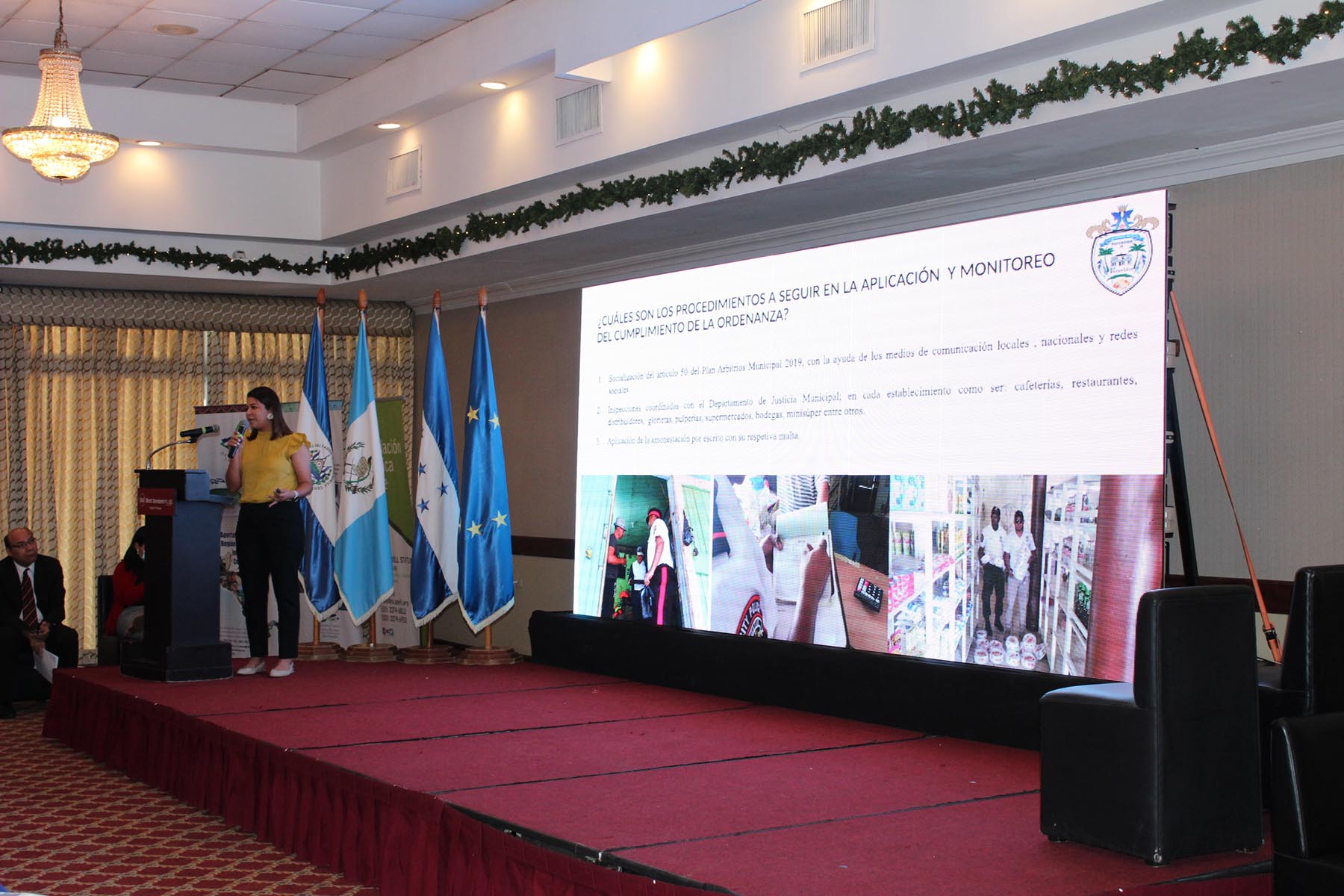
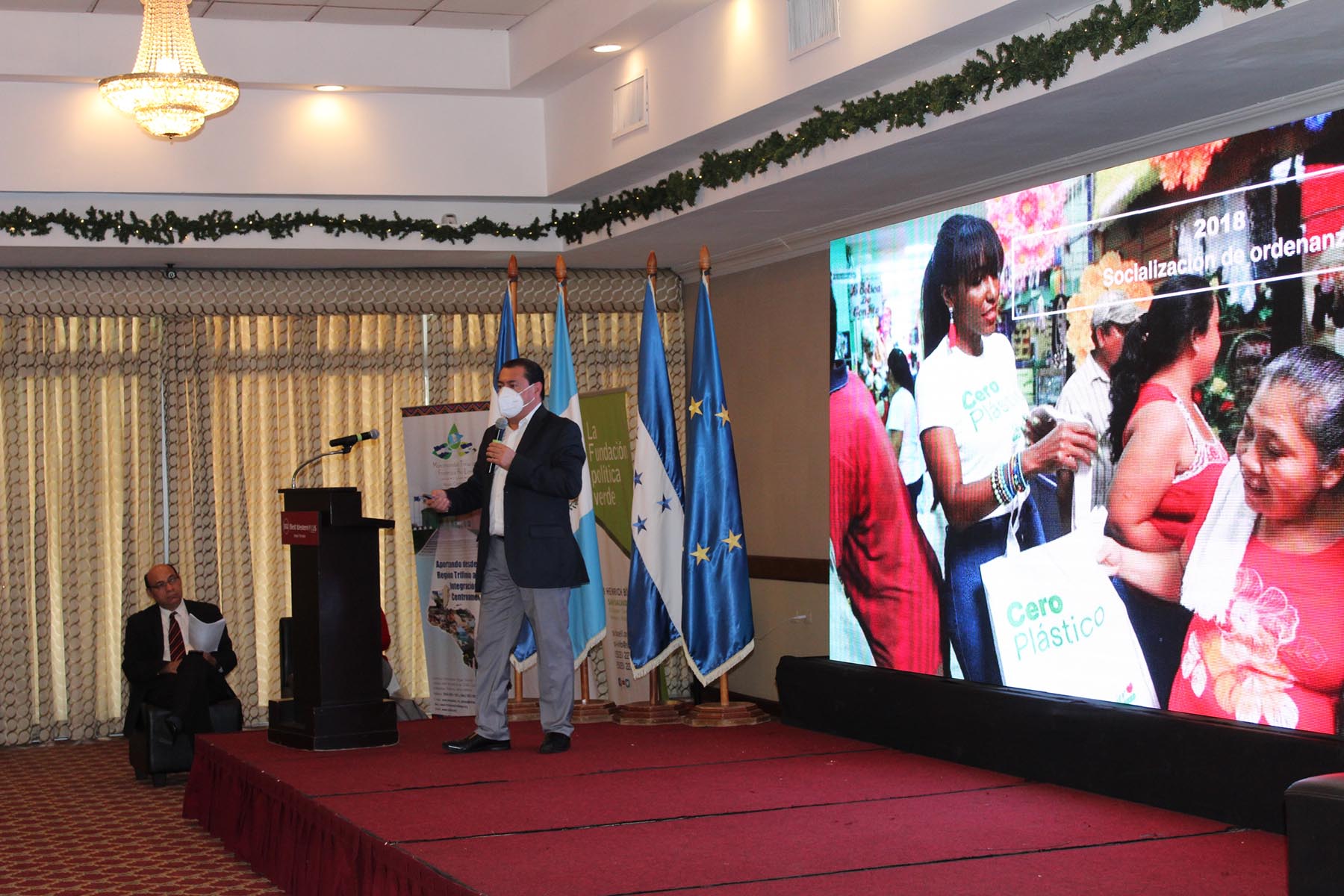
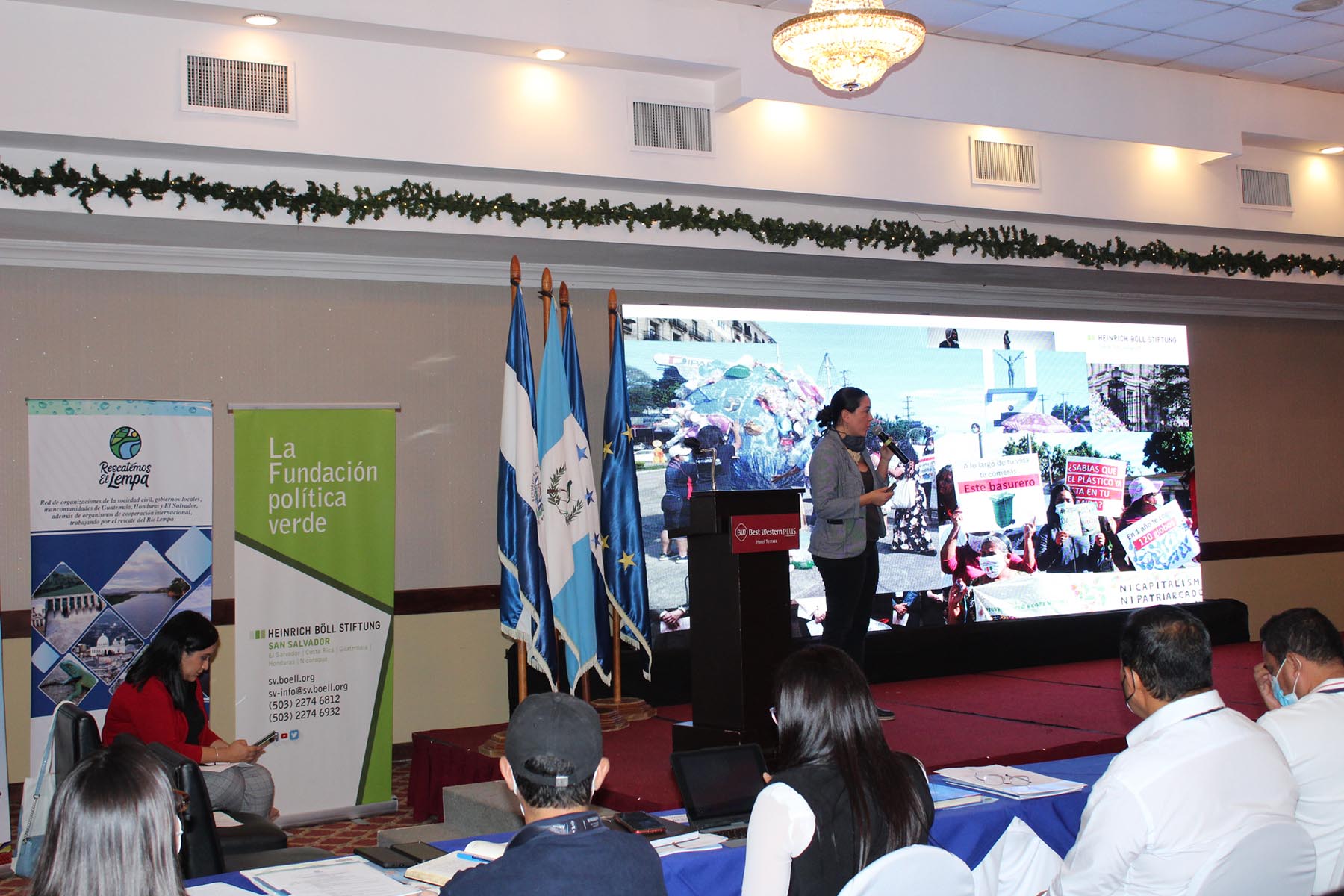
San Salvador, El Salvador, November 12, 2021. The Tri-national Association, as part of the Tri-national Network for the Rescue of the Lempa River, participated in the forum “Stopping the Plastic Tide,” which was attended by associations, municipalities, and civil society organizations from El Salvador, Honduras, and Guatemala.
The objective of the forum was to raise awareness about the high level of single-use plastic pollution that exists worldwide and to promote the signing of the San Salvador Declaration for an environment free of plastic pollution.
The San Salvador Declaration emphasizes the human right to live in a clean environment and warns about how plastic pollution is already affecting humans and all forms of life on our planet. During the forum, 23 municipalities, 2 associations of municipalities, and 12 civil society organizations signed the declaration.
Among the municipalities that signed the declaration are:
- Guatemala: Esquipulas, Camotán, San Pedro la Laguna, San Juan Ermita, Olopa, Jocotán, and Santa Catarina Mita.
Honduras: Sensenti, Puerto Cortez, La Labor, La Virtud Lempira, Ocotepeque, Sinuapa, and Roatán Islas de la Bahía.
El Salvador: Mejicanos, Apopo, Cítala, Ereguayquin, Santa Isabel Ishuatán, Dulce Nombre de María, Candelaria de la Frontera, San Fernando, and La Palma.
Of the above, 13 signed in person during the event and 10 signed virtually. The signatory associations are the Rio Lempa Tri-national Cross-border Association, which brings together 26 municipalities in the upper Lempa River basin, and the MOCALEMPA association, which brings together five municipalities in the middle Lempa basin.
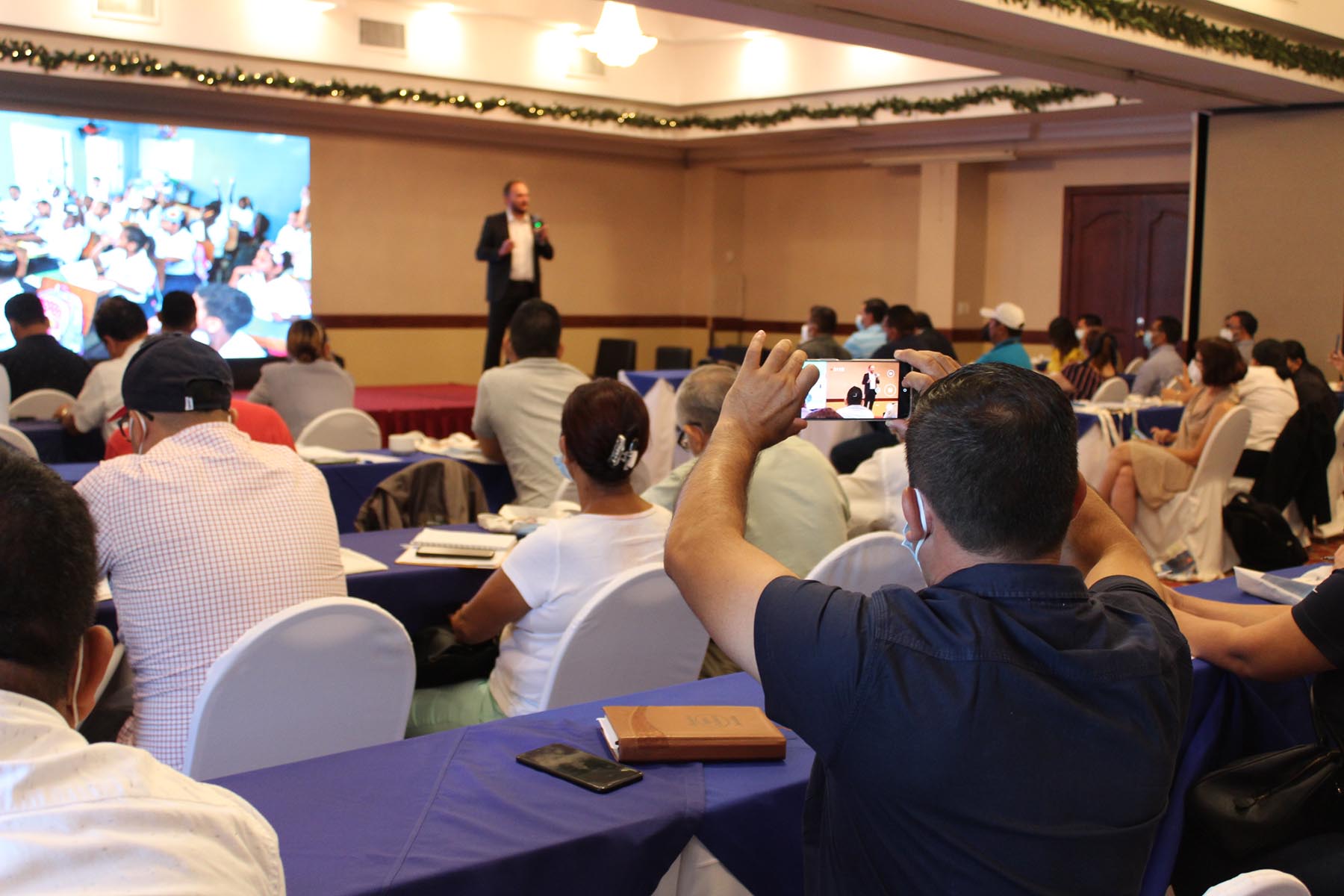
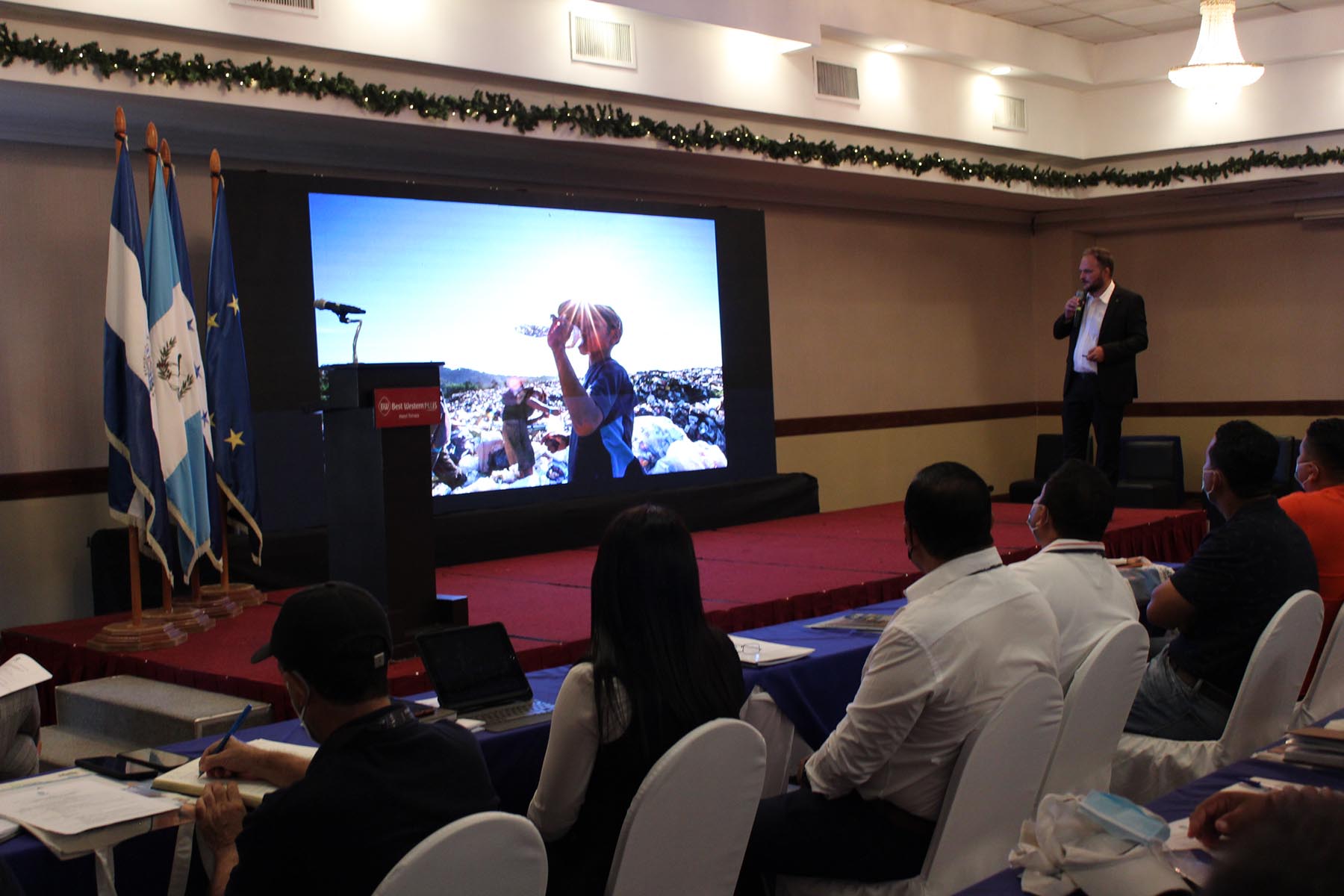
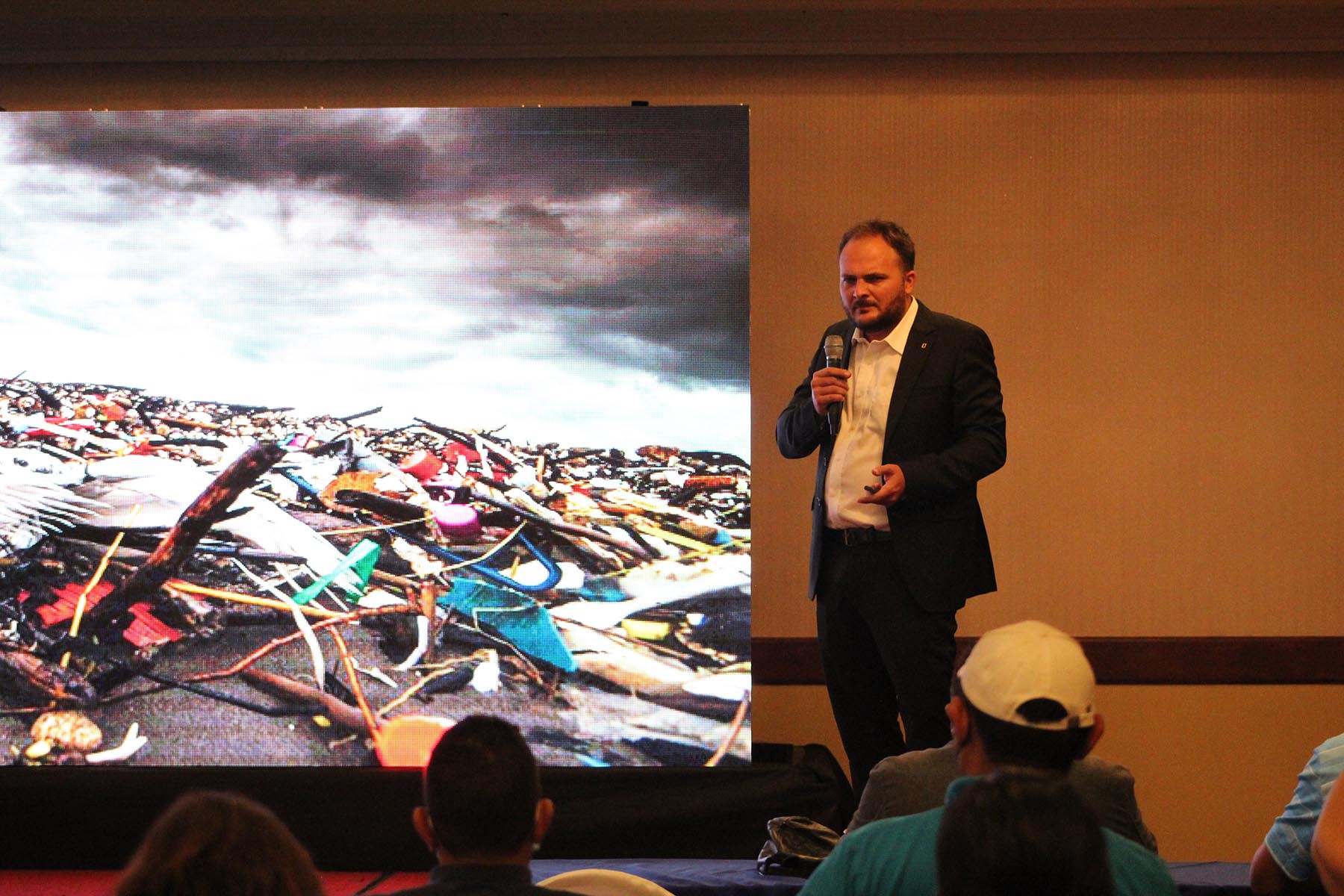
The event began with a keynote speech by photographer and environmentalist Sergio Izquierdo, who has conducted several expeditions researching and documenting the problem of plastic pollution around the world. In addition, the photographer shared shocking videos of plastic pollution in both the Motagua River in Guatemala and the Lempa River in El Salvador.
The forum was attended by mayors Edwin Ramos of San Pedro La Laguna in Guatemala and Alan David Ramos of Puerto Cortez in Honduras as guest municipalities to share their successful experiences. Fernanda Lozano from the Roatán Islas de la Bahía mayor's office, who has promoted the regulation of Roatán, one of the most ambitious in the world, also attended. Roatán began in 2019 with a process to ban single-use plastics, including the sale of PET bottles, bags, straws, plastic cutlery, and disposable cups, among other items.
Cynthia Córdoba Serrano, Secretary of Sectoral Planning for the Environment (SEPLASA) of the Ministry of the Environment (MINAE) of Costa Rica, participated virtually from Costa Rica and presented the process that is being implemented in that country to curb pollution from single-use plastics.
The coordinator of the Heinrich Böll Foundation, Ingrid Hausinger, emphasized the regulatory policies that are already being implemented worldwide and that are demonstrating that it is possible to combat single-use plastic pollution.
She noted that there are already more than 33 countries worldwide with national or subnational regulations, and more are joining every day. Among others, she mentioned the European directive that came into force on July 3, 2021, which prohibits the sale of single-use plastic items such as straws, cotton buds, cutlery, and plastic plates, among others, in order to combat pollution. Latin America and the Caribbean are not far behind. According to a UNEP study, 60% of countries are already considering and have adopted some type of regulation and legislation for plastics, mainly for single-use plastics. These include Mexico, Chile, Guatemala, Honduras, etc. Mexico City began 2021 by banning the sale, distribution, and delivery of single-use plastic products. In May, Chile approved a total ban on plastic items, including cups, mugs, bowls, cutlery, chopsticks, stirrers, straws, plates, boxes, glasses, prepared food containers, trays, sachets, placemats, and lids that are not reusable. The country gave businesses and shops six months to make this transition.
In Central America, Honduras and Guatemala have municipal regulations, and El Salvador is the only country that has not yet taken this step.
The Tri-National Network for the Rescue of the Lempa River hopes that with the signing of this declaration, the first regulation will soon be in place and that this will lead to a national regulation in the medium term.