

Our Latest News
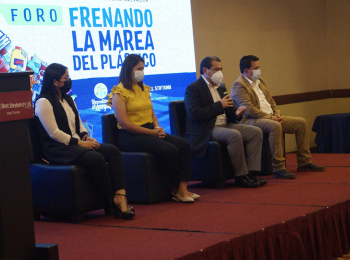
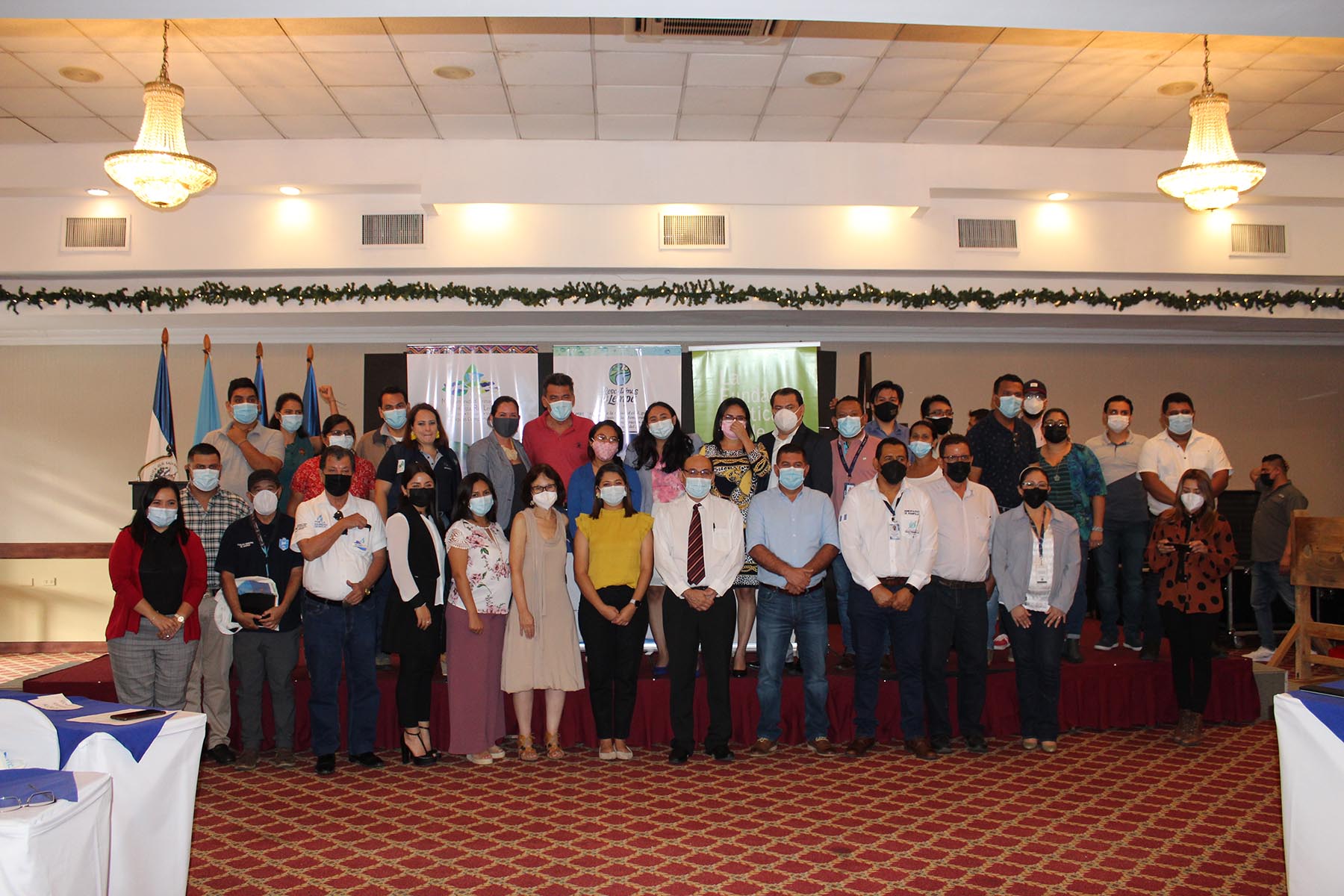
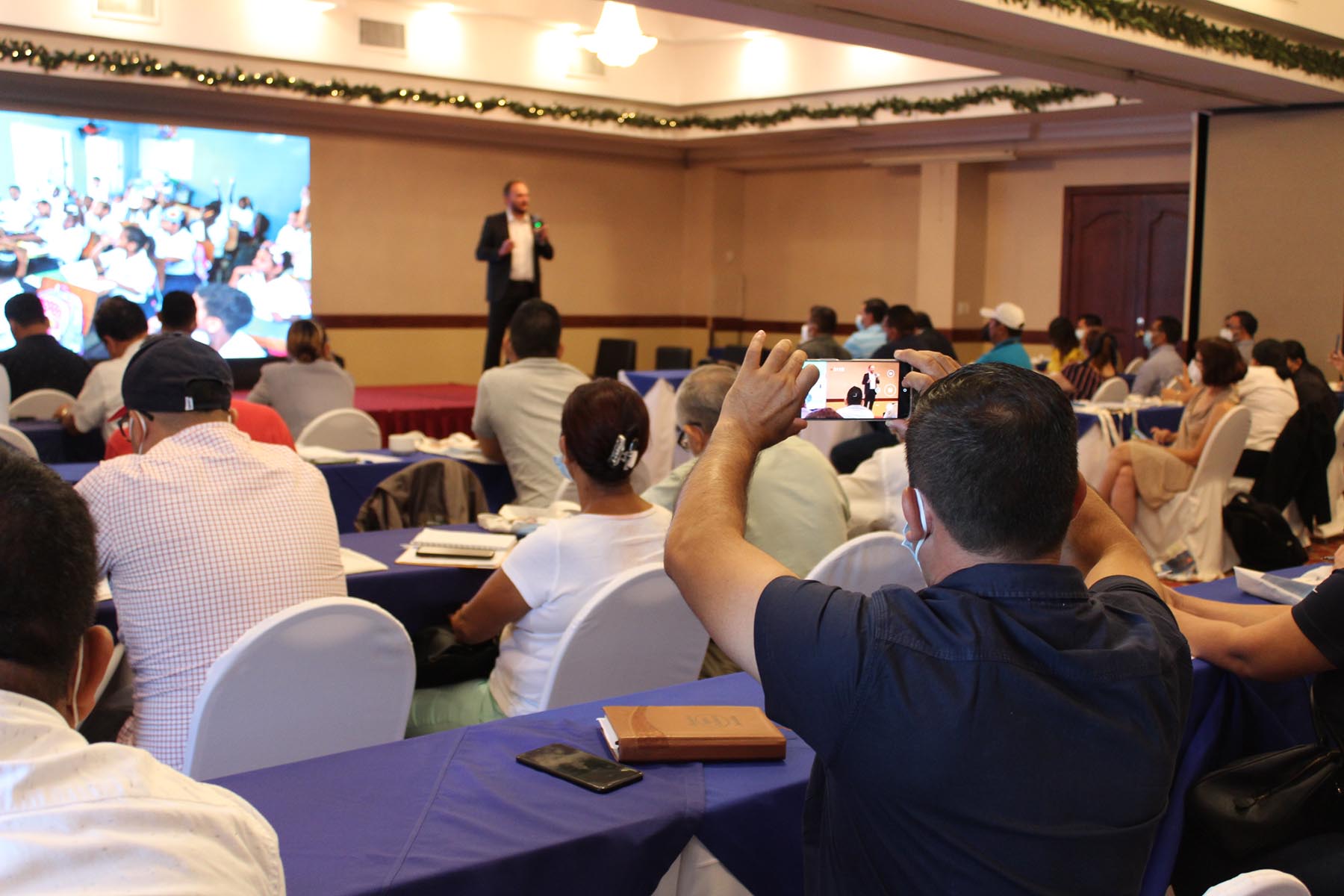
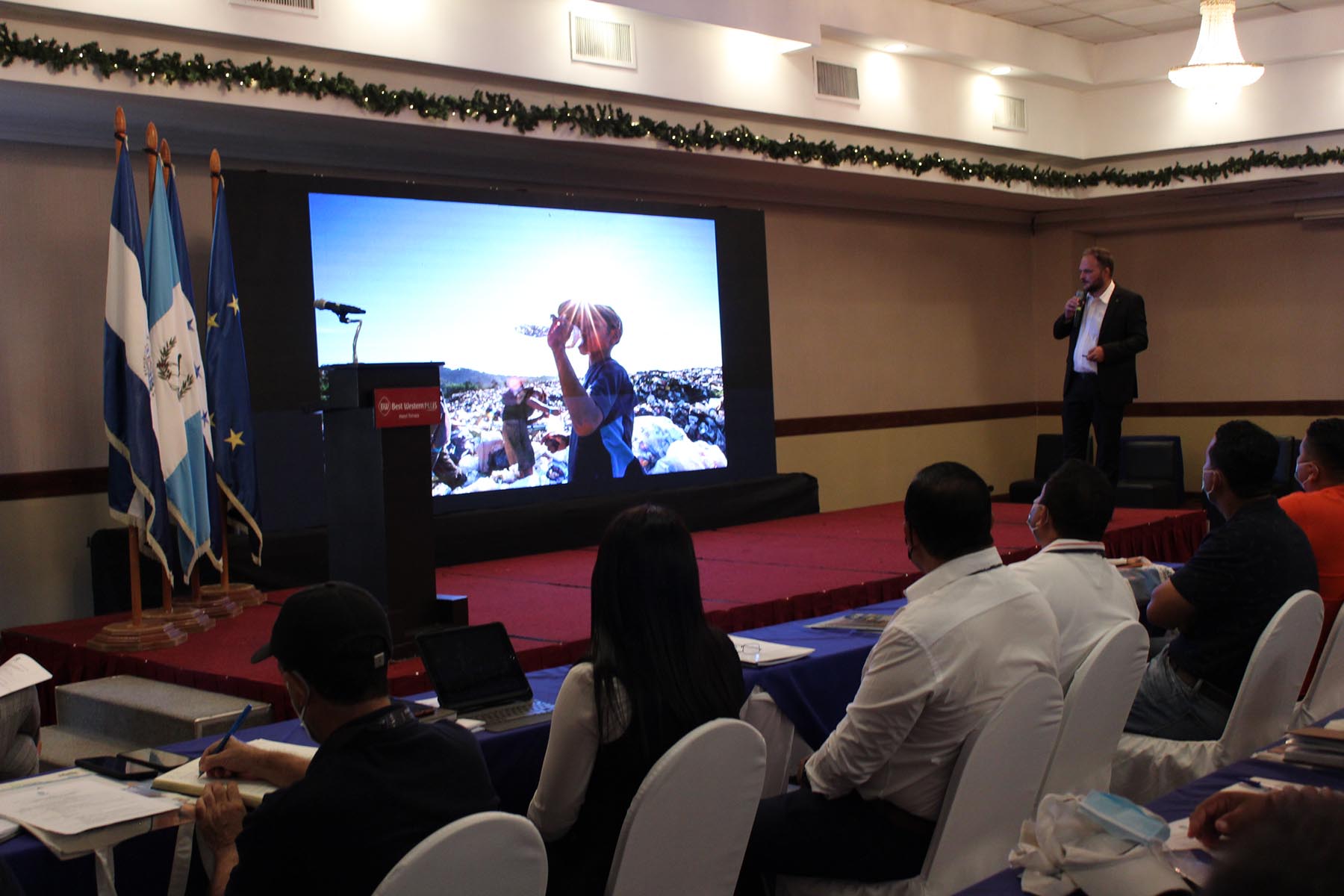
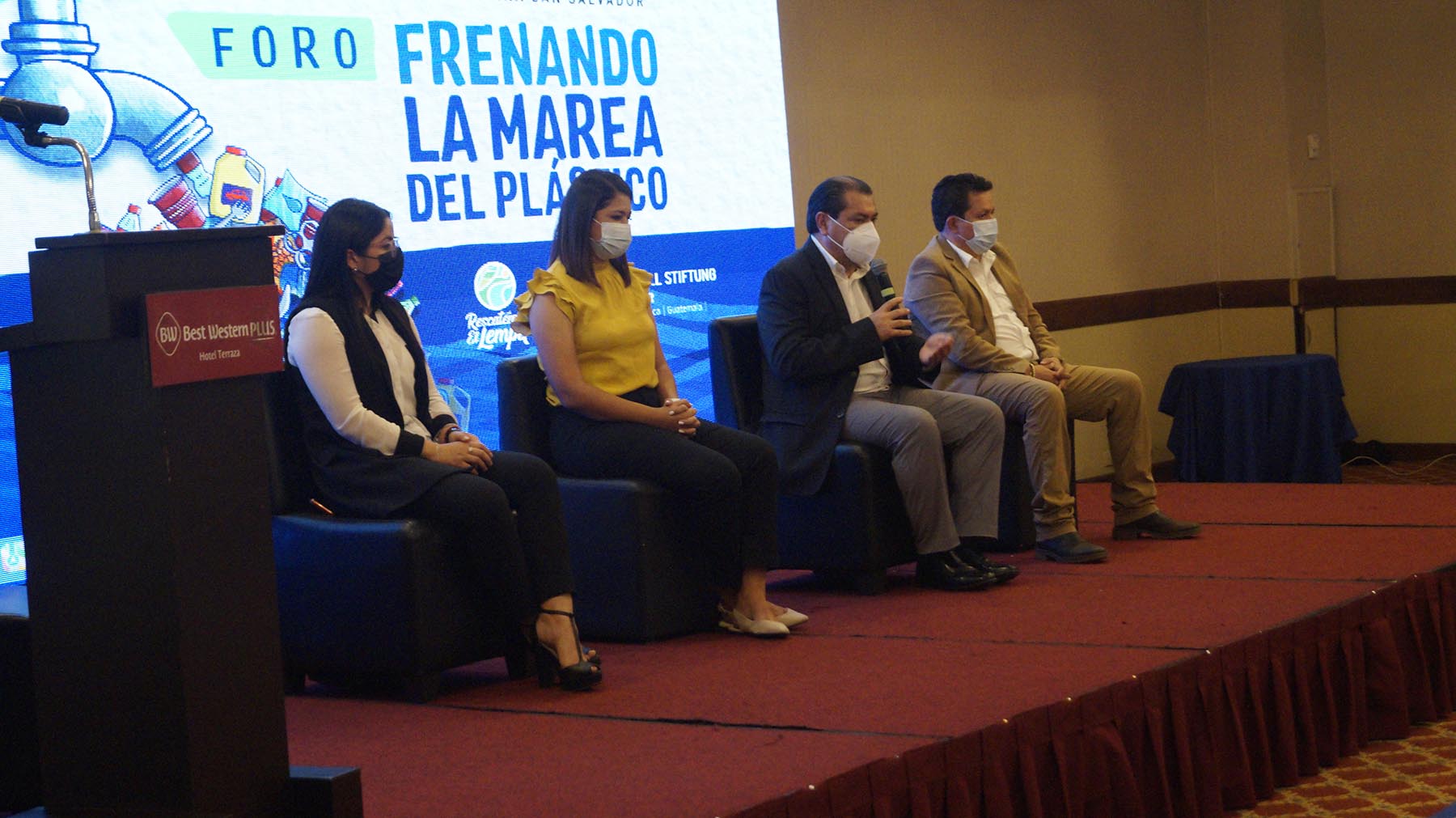
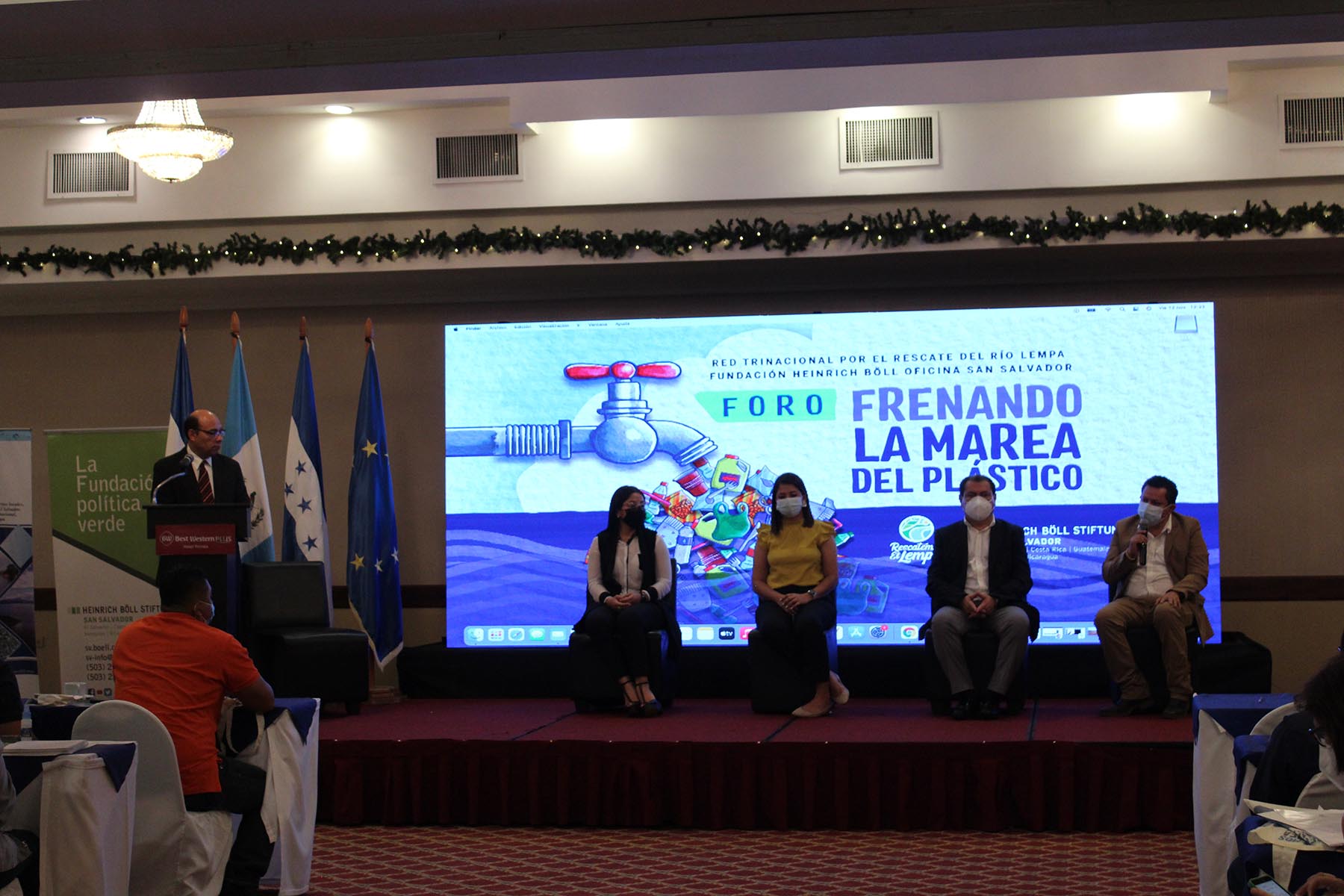
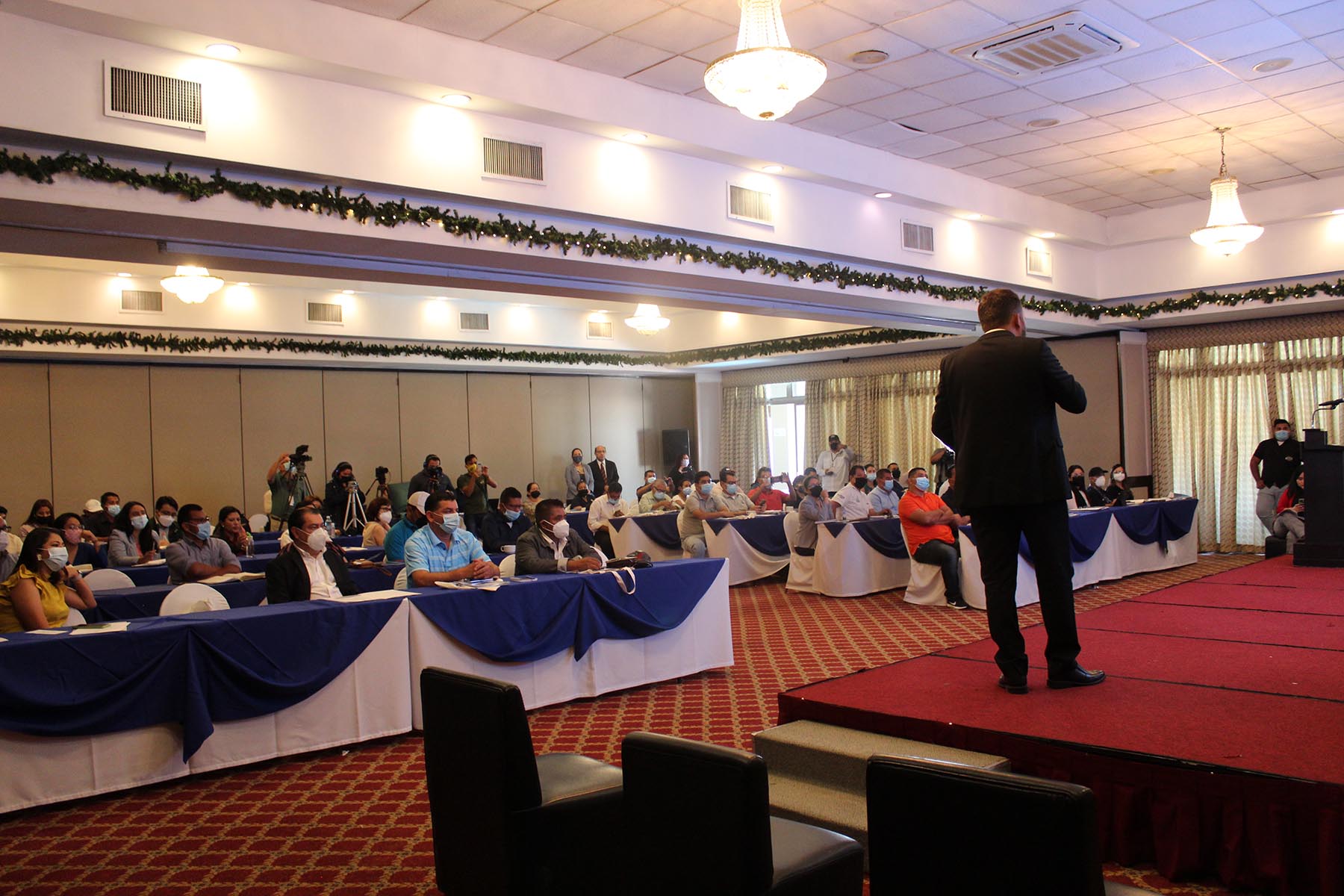
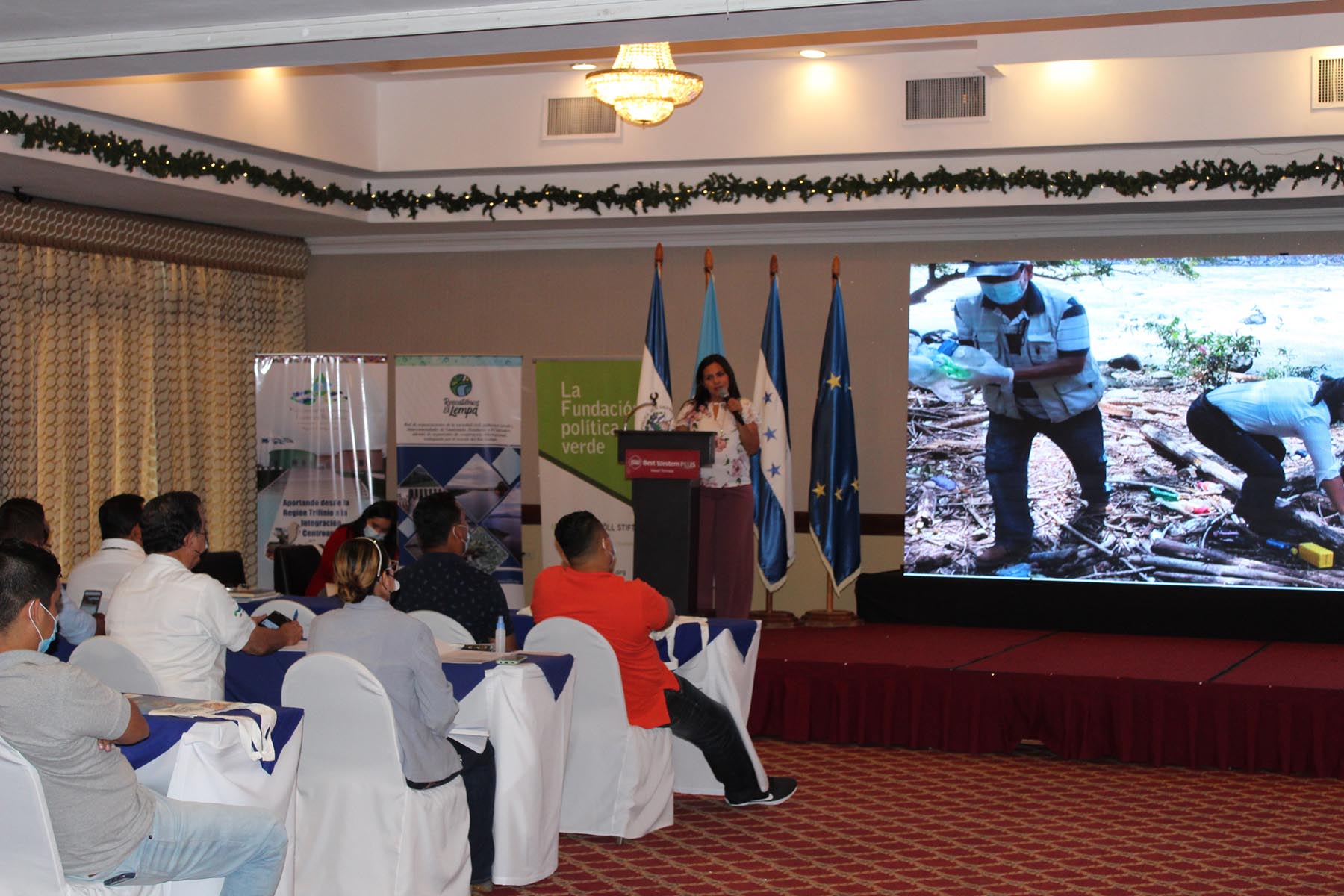
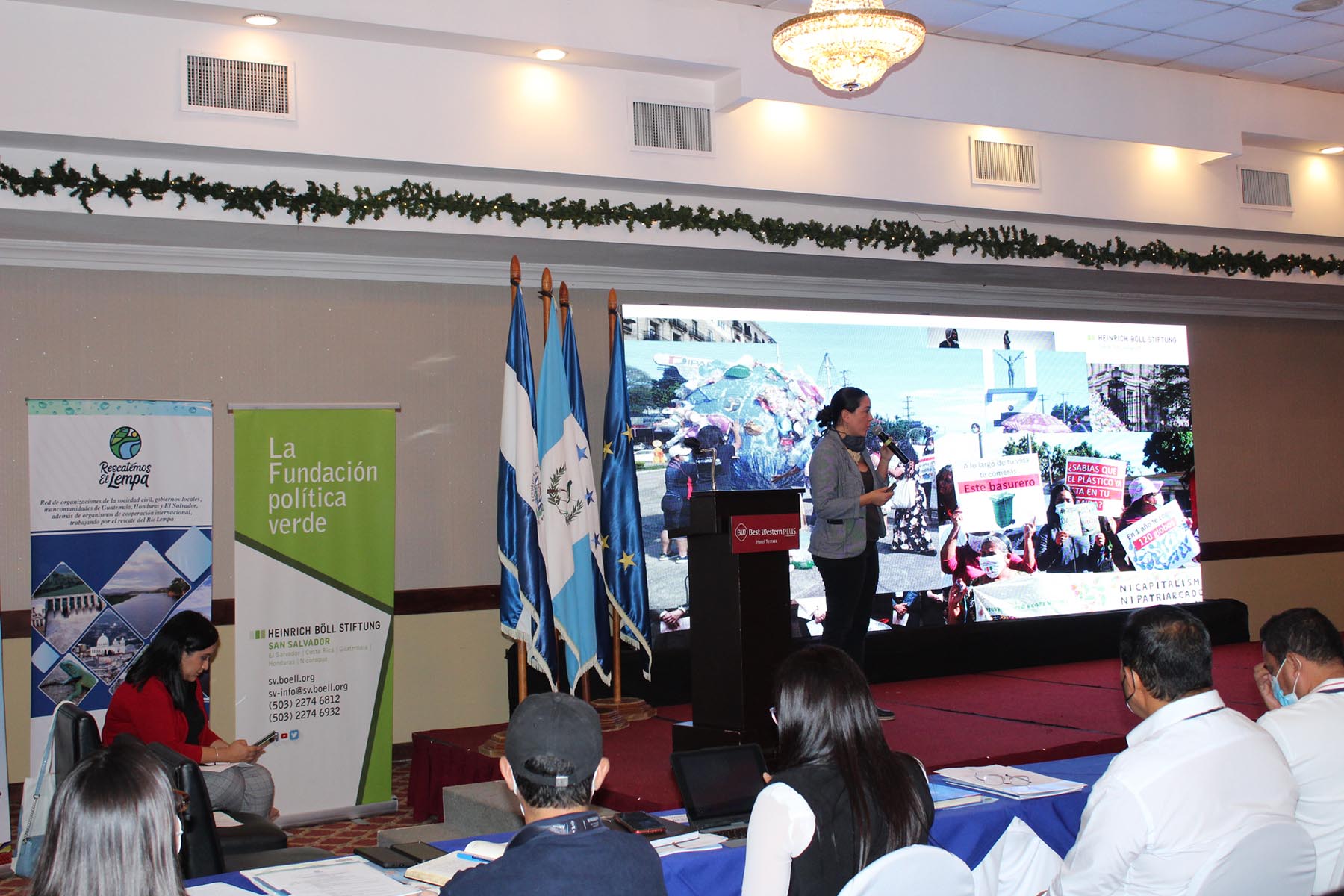
San Salvador, El Salvador, November 12, 2021. The Tri-national Association, as part of the Tri-national Network for the Rescue of the Lempa River, participated in the forum “Stopping the Plastic Tide,” which was attended by associations, municipalities, and civil society organizations from El Salvador, Honduras, and Guatemala.
The objective of the forum was to raise awareness about the high level of single-use plastic pollution that exists worldwide and to promote the signing of the San Salvador Declaration for an environment free of plastic pollution.
The San Salvador Declaration emphasizes the human right to live in a clean environment and warns about how plastic pollution is already affecting humans and all forms of life on our planet. During the forum, 23 municipalities, 2 associations of municipalities, and 12 civil society organizations signed the declaration.
Among the municipalities that signed the declaration are:
- Guatemala: Esquipulas, Camotán, San Pedro la Laguna, San Juan Ermita, Olopa, Jocotán, and Santa Catarina Mita.
Honduras: Sensenti, Puerto Cortez, La Labor, La Virtud Lempira, Ocotepeque, Sinuapa, and Roatán Islas de la Bahía.
El Salvador: Mejicanos, Apopo, Cítala, Ereguayquin, Santa Isabel Ishuatán, Dulce Nombre de María, Candelaria de la Frontera, San Fernando, and La Palma.
Of the above, 13 signed in person during the event and 10 signed virtually. The signatory associations are the Rio Lempa Tri-national Cross-border Association, which brings together 26 municipalities in the upper Lempa River basin, and the MOCALEMPA association, which brings together five municipalities in the middle Lempa basin.
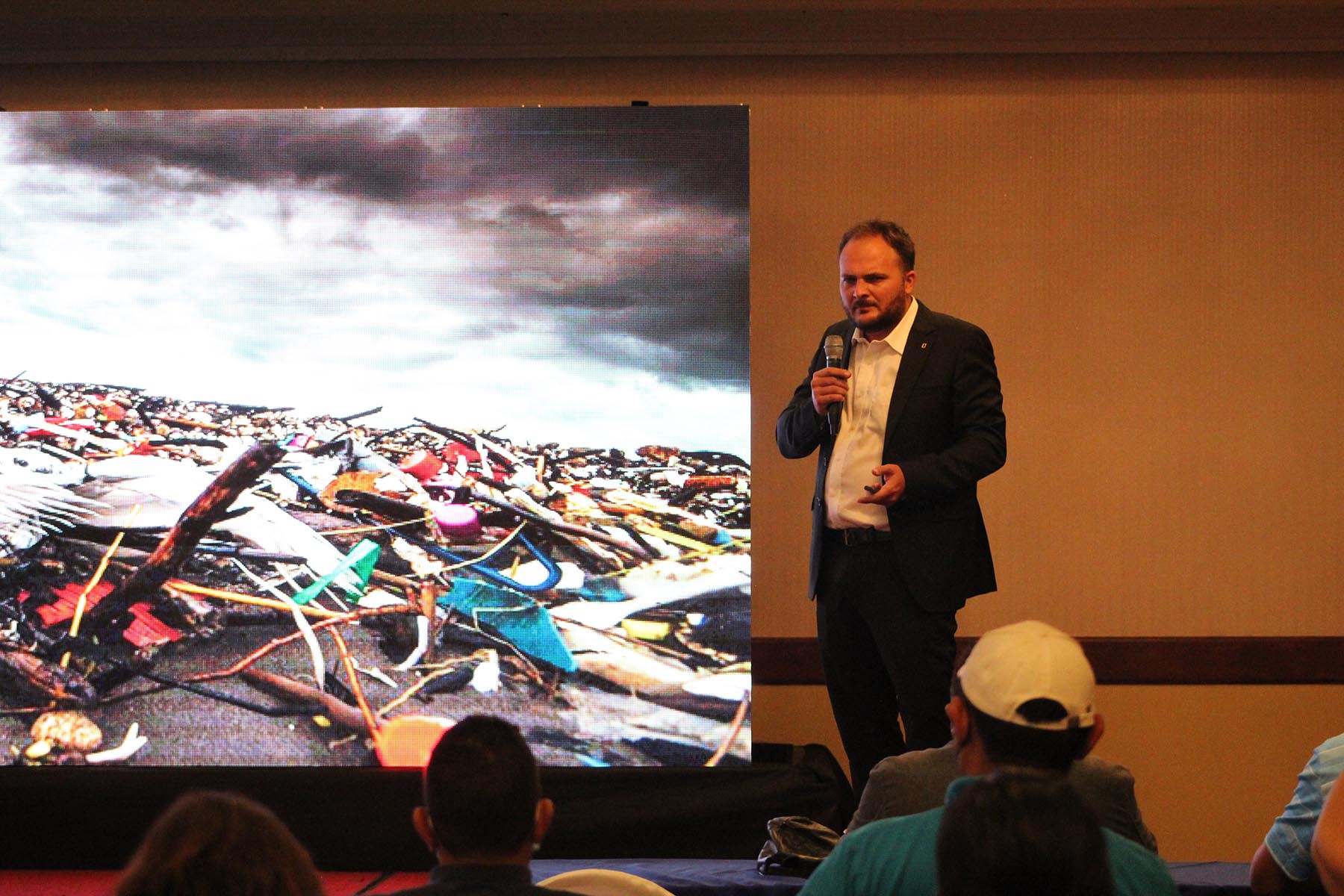
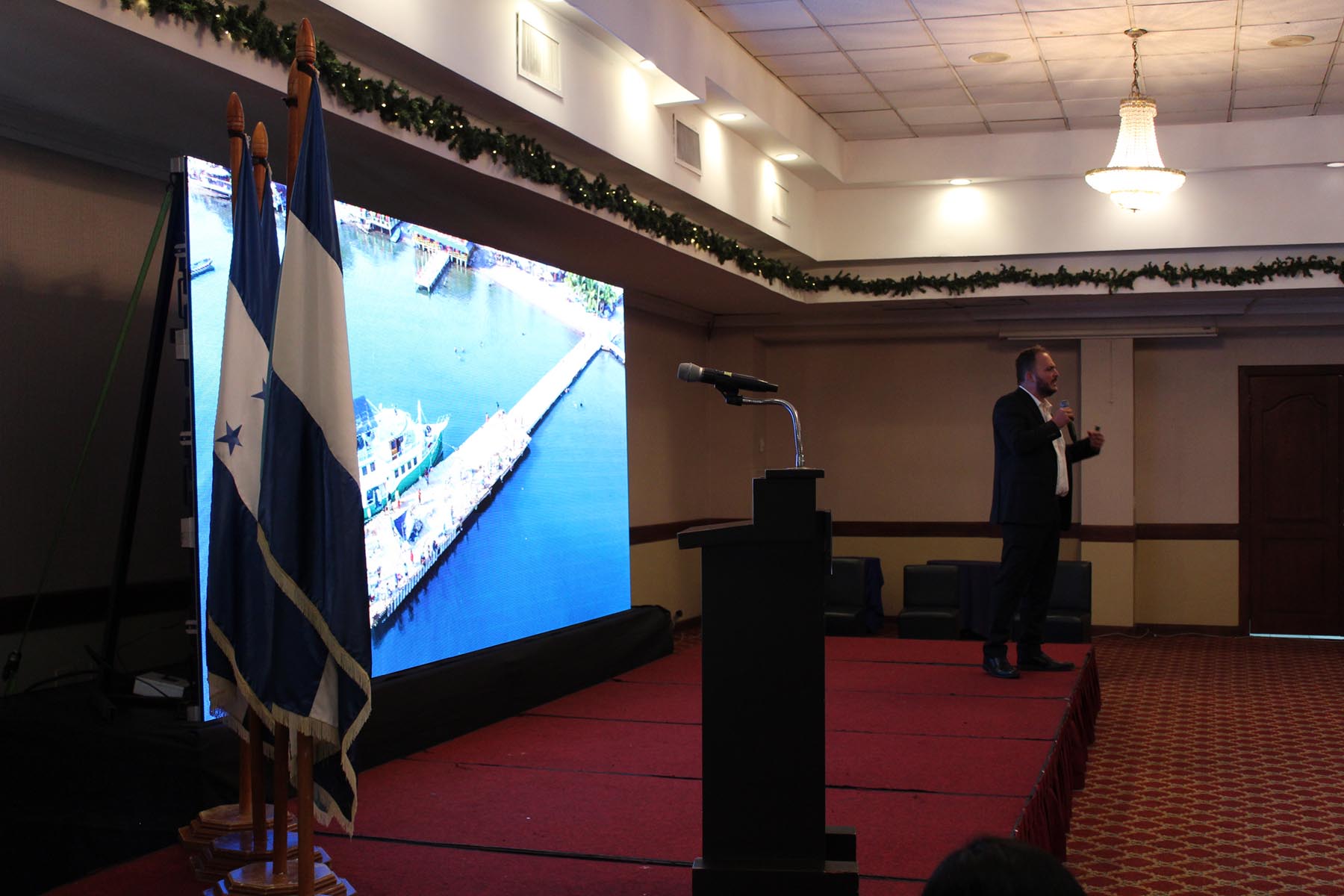
The event began with a keynote speech by photographer and environmentalist Sergio Izquierdo, who has conducted several expeditions researching and documenting the problem of plastic pollution around the world. In addition, the photographer shared shocking videos of plastic pollution in both the Motagua River in Guatemala and the Lempa River in El Salvador.
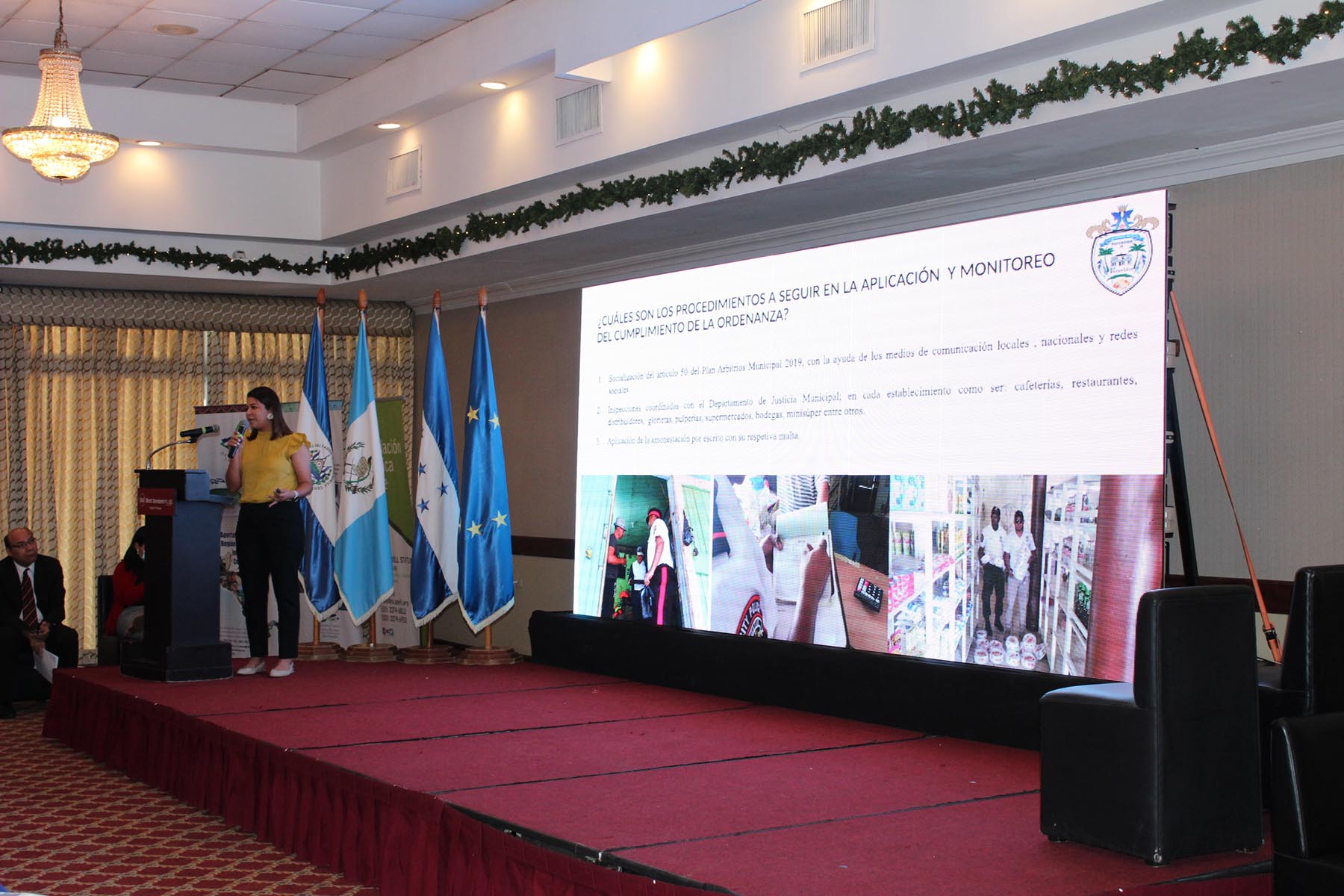
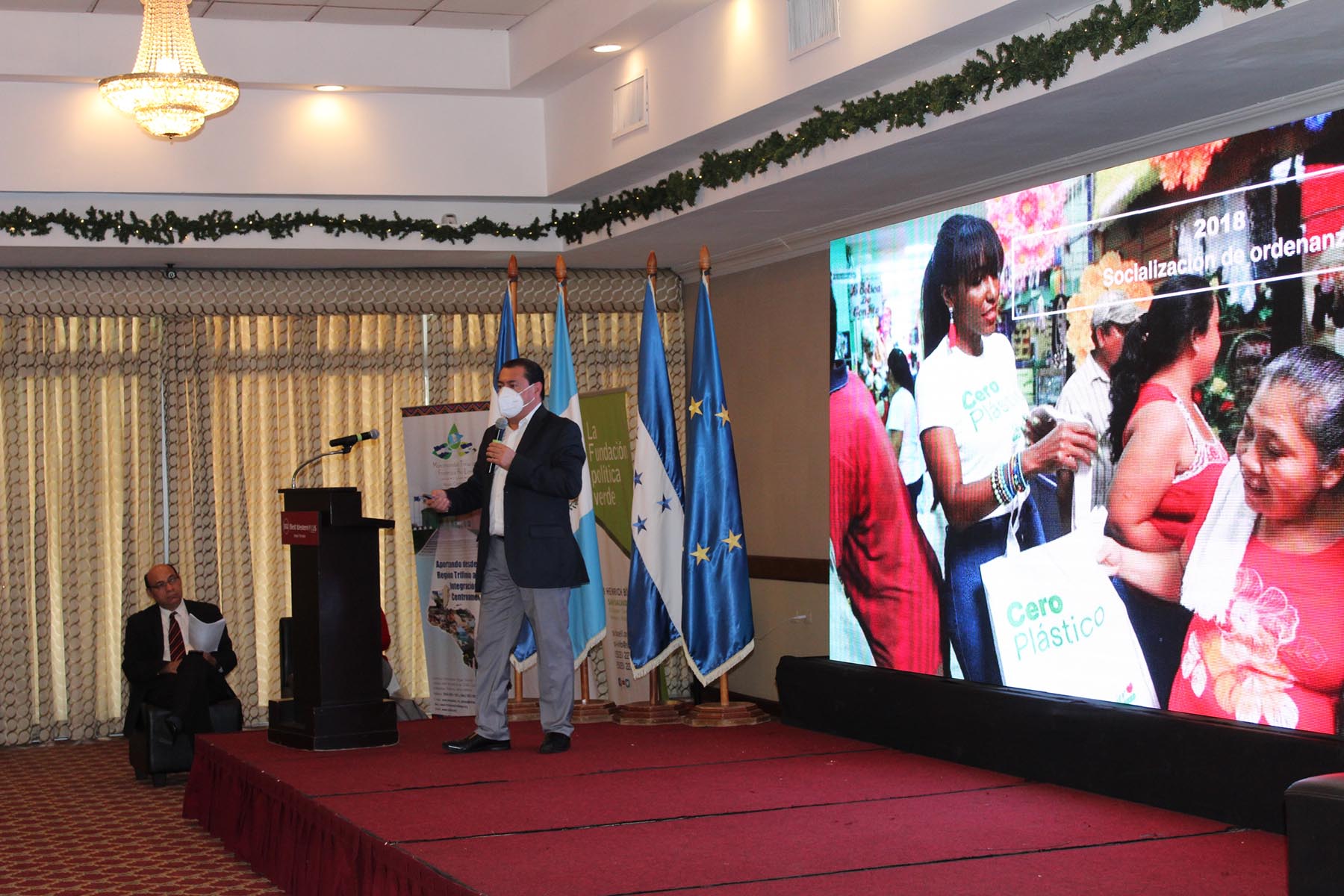
The forum was attended by mayors Edwin Ramos of San Pedro La Laguna in Guatemala and Alan David Ramos of Puerto Cortez in Honduras as guest municipalities to share their successful experiences. Fernanda Lozano from the Roatán Islas de la Bahía mayor's office, who has promoted the regulation of Roatán, one of the most ambitious in the world, also attended. Roatán began in 2019 with a process to ban single-use plastics, including the sale of PET bottles, bags, straws, plastic cutlery, and disposable cups, among other items.
Cynthia Córdoba Serrano, Secretary of Sectoral Planning for the Environment (SEPLASA) of the Ministry of the Environment (MINAE) of Costa Rica, participated virtually from Costa Rica and presented the process that is being implemented in that country to curb pollution from single-use plastics.
The coordinator of the Heinrich Böll Foundation, Ingrid Hausinger, emphasized the regulatory policies that are already being implemented worldwide and that are demonstrating that it is possible to combat single-use plastic pollution.
She noted that there are already more than 33 countries worldwide with national or subnational regulations, and more are joining every day. Among others, she mentioned the European directive that came into force on July 3, 2021, which prohibits the sale of single-use plastic items such as straws, cotton buds, cutlery, and plastic plates, among others, in order to combat pollution. Latin America and the Caribbean are not far behind. According to a UNEP study, 60% of countries are already considering and have adopted some type of regulation and legislation for plastics, mainly for single-use plastics. These include Mexico, Chile, Guatemala, Honduras, etc. Mexico City began 2021 by banning the sale, distribution, and delivery of single-use plastic products. In May, Chile approved a total ban on plastic items, including cups, mugs, bowls, cutlery, chopsticks, stirrers, straws, plates, boxes, glasses, prepared food containers, trays, sachets, placemats, and lids that are not reusable. The country gave businesses and shops six months to make this transition.
In Central America, Honduras and Guatemala have municipal regulations, and El Salvador is the only country that has not yet taken this step.
The Tri-National Network for the Rescue of the Lempa River hopes that with the signing of this declaration, the first regulation will soon be in place and that this will lead to a national regulation in the medium term.
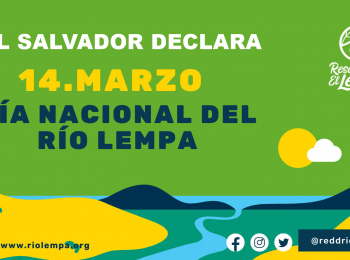
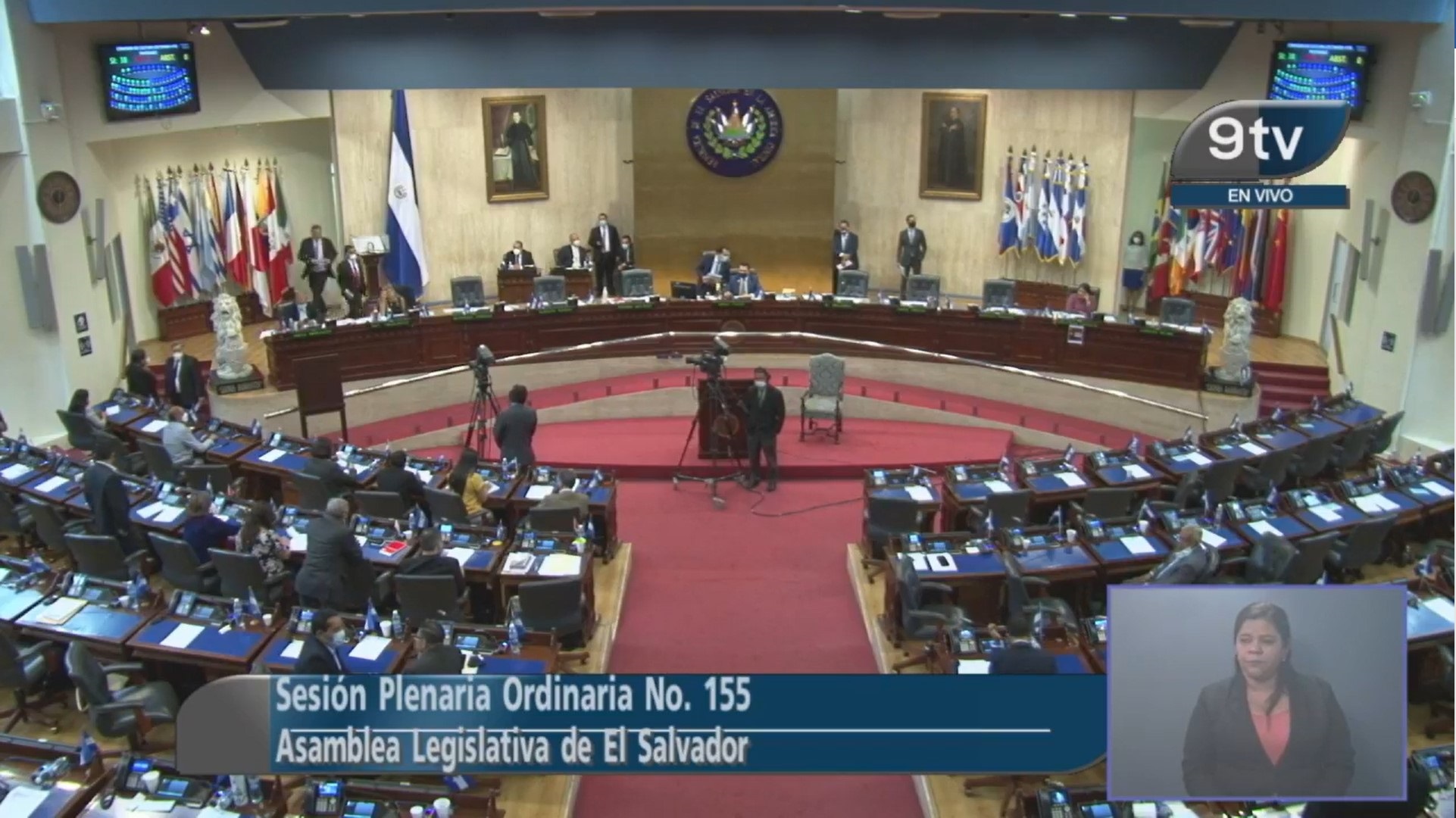
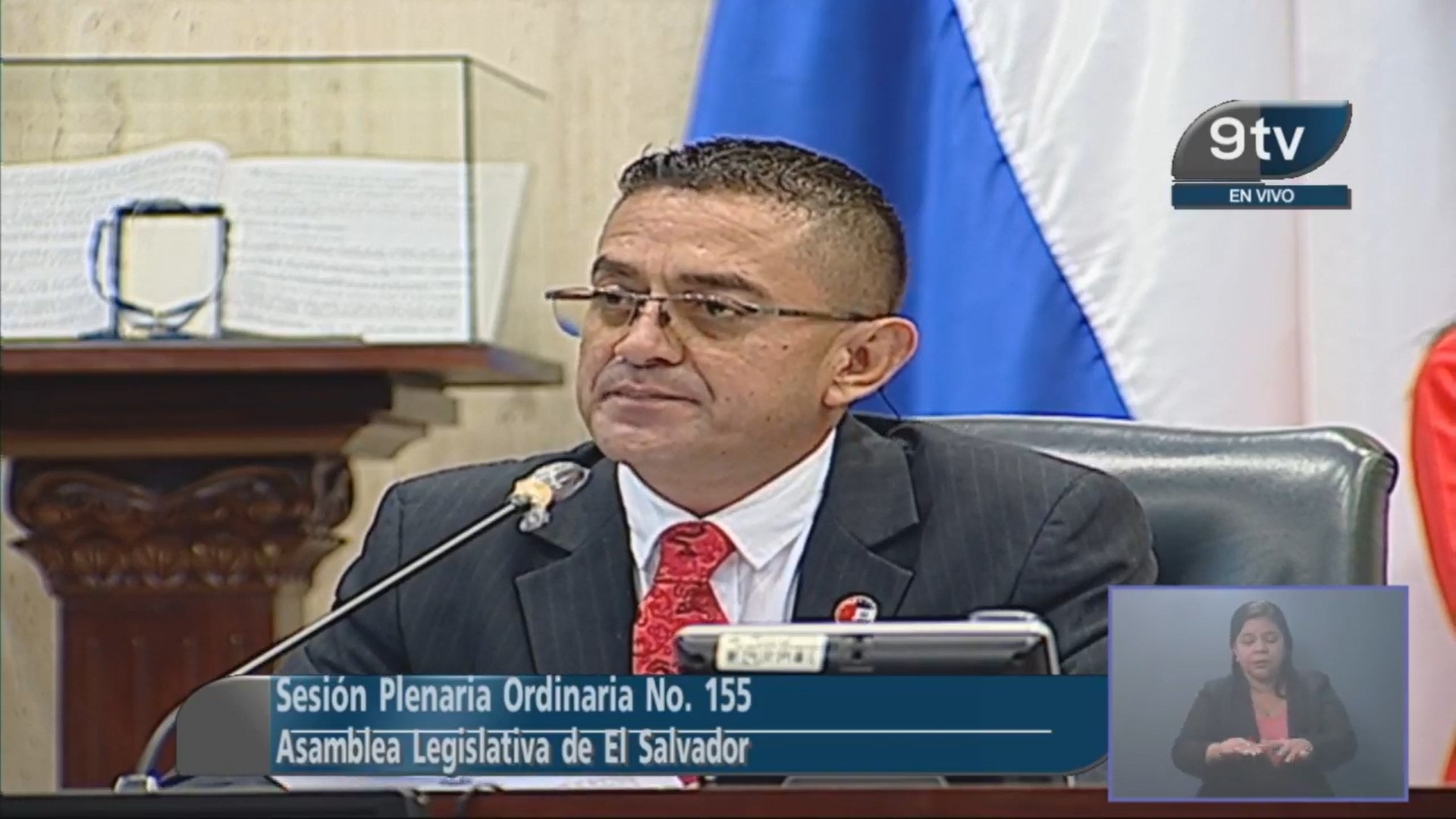
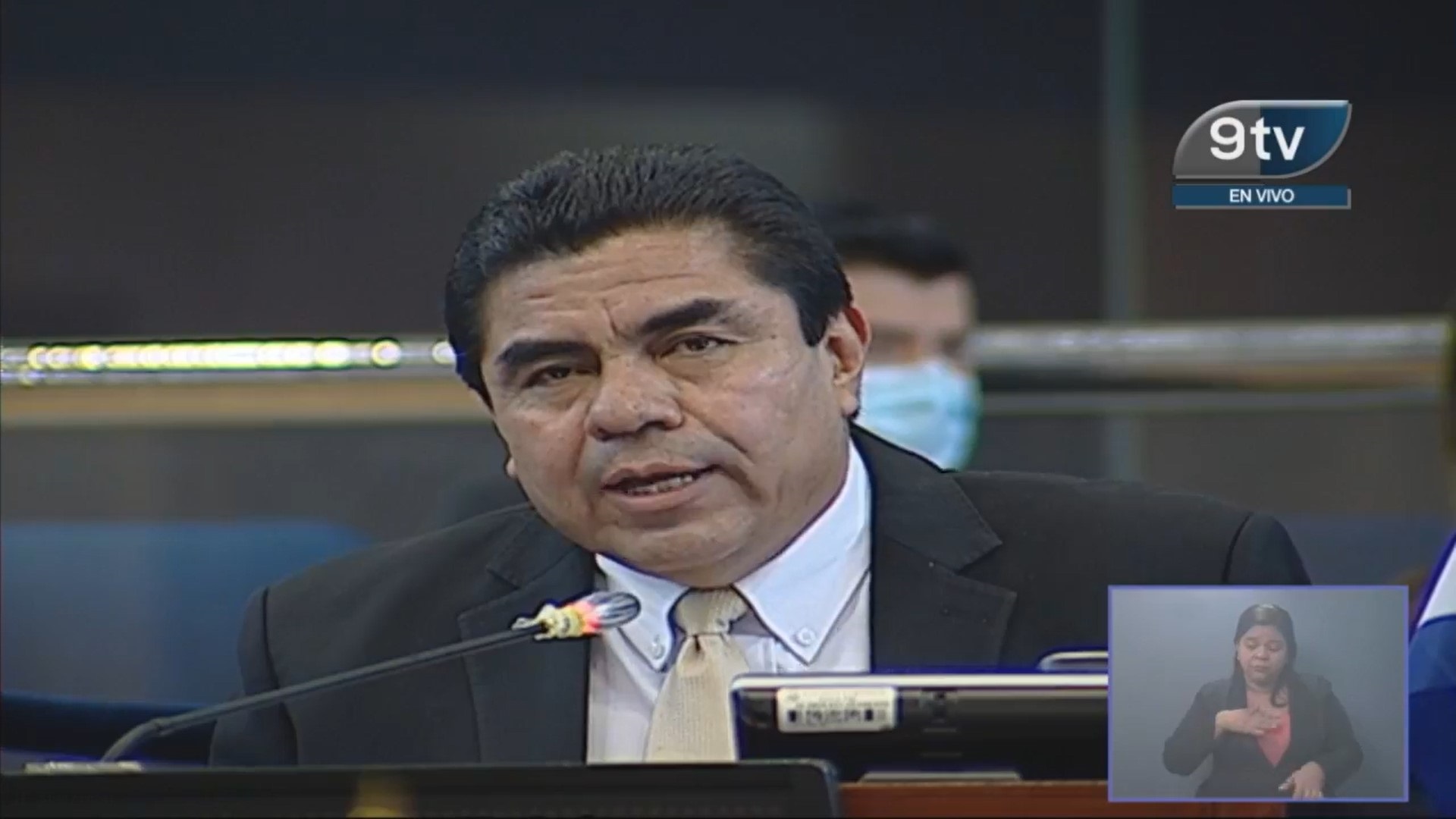
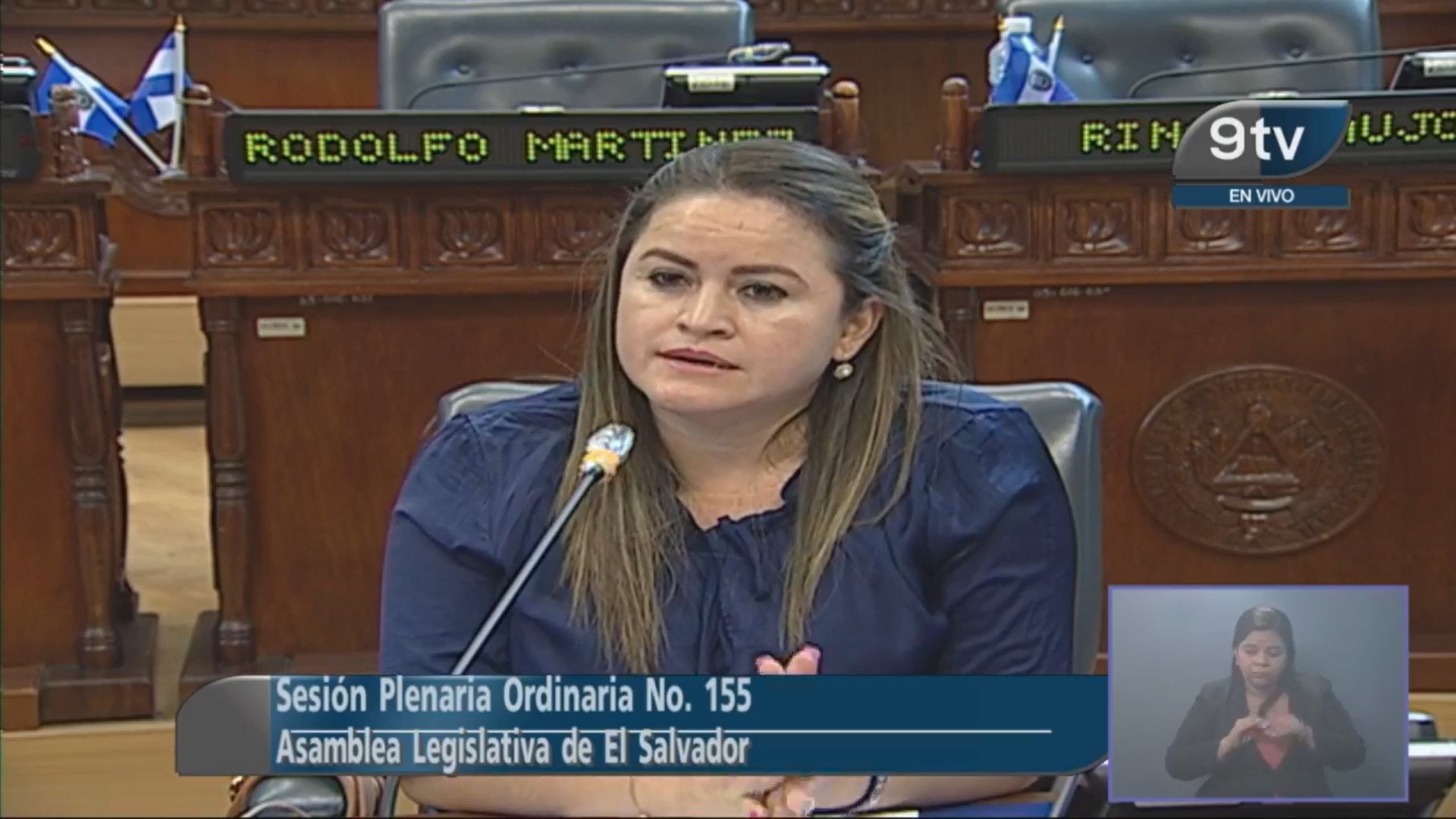
Candelaria de la Frontera, Santa Ana, El Salvador, Central America, March 25, 2021. With 44 votes from the deputies of the different political parties that make up the Legislative Assembly of El Salvador (National Congress), ruling No. 110 was approved today, declaring the “National Day of the Lempa River.”
The initiative was presented on December 8, 2020, even in the midst of the COVID-19 pandemic, and was spearheaded by the Tri-National Network for the Rescue of the Lempa River, which is made up of more than 30 civil society organizations, associations, and local governments from Guatemala, Honduras, and El Salvador.
Among the speeches, those of Congressman Julio Fabián stood out, who said, “Rescue measures must be promoted, not just one day, but 365 days a year. We must work to rescue the largest basin in the country.” Congressman Reynaldo Cardoza, who stated, “We celebrate the declaration of March 14 as National Lempa River Day, but we must go further. We have presented a bill, and hopefully we congressmen can support it and begin to discuss the true rescue of this great river we have in El Salvador”; as well as the words of Congresswoman Dina Argueta, who said, "It is a positive action to raise awareness. Many municipalities are affected by the pollution of the Lempa River. If the state does not take care to manage and protect the watersheds, which is where the water originates, the population will be affected."
Through the approval of this Declaration by the Legislative Body of El Salvador, actions can be developed to raise awareness and, above all, to act in favor of such an important resource as the Lempa River, which originates in eastern Guatemala, crosses western Honduras, enters through the municipality of Citalá, and flows into the Pacific Ocean in El Salvador. This is the most important river in the Central American Pacific basin and is facing a serious pollution crisis that currently puts the lives of thousands of people in this country and this Central American region at risk.
The Tri-national Network for the Rescue of the Lempa River was created on February 11, 2020, as an effort by several local entities from the three countries, which, through a broad call for participation, managed to form this Tri-national Network, whose mission is: “To promote social and political advocacy, as well as awareness-raising for the rescue, recovery, and conservation of the Lempa River and the natural life of its basin.” Its vision is: The Network's proposals are a call to citizens, civil society, businesses, local governments, central governments, and other state bodies to join forces to achieve medium- and long-term conservation goals for the Lempa.
Among the entities that make up the Network are the Rio Lempa Tri-national Border Community, the Heinrich Boell Foundation, Let's Doit, FUNDE, the Association of Eco-feminists, the Association of Cayaguanca Municipalities, AMICUERT, the Escazú Promotion Team, SOA, UNES, all from El Salvador; Igade and the Mocalempa Association from Honduras; and from Guatemala, the Eastern University Center of the University of San Carlos of Guatemala, among other entities from the three countries.
This effort has been supported by the European Union's EUROCLIMA + Program, implemented by GIZ, and in the context of the strategic alliance that the Trinational Association has with FONS CATALA and the Heinrich Boell Foundation, Central America office.

1_thumbnail.jpeg)
The Tri-national Network for the Rescue of the Lempa River today presented the Legislative Assembly of El Salvador with a letter requesting that March 14 of each year be declared National Lempa River Day.
The Lempa River is vital and strategic for El Salvador, as four hydroelectric power plants are located along its course, producing 38% of the country's energy demand. It supplies drinking water to more than 1.5 million inhabitants of the municipalities of the San Salvador Metropolitan Area (AMSS). and more than 10,000 hectares are equipped with irrigation districts for agricultural development.
More than 4.8 million people live in its basin, of whom 3.5 million are Salvadoran citizens. Despite its vital importance, since its source in Guatemala and throughout its course through Honduras and El Salvador, the Lempa River receives discharges of sewage, waste from open-air landfills, industrial and agro-industrial waste, such as “honey” water, a byproduct of coffee processing, pesticide residues, among other types of
pollutants that deteriorate the river and the quality of this precious resource.
Given the importance of promoting serious efforts aimed at “Rescuing the Lempa River,” and given the vital importance of this basin for the ecosystems, economy, industry, energy generation, human life, governance, and governability of El Salvador, the Tri-national Network for the Rescue of the Lempa River invites your prestigious media outlet to join us in this important citizen action in favor of the rescue and recovery of such an important natural resource.
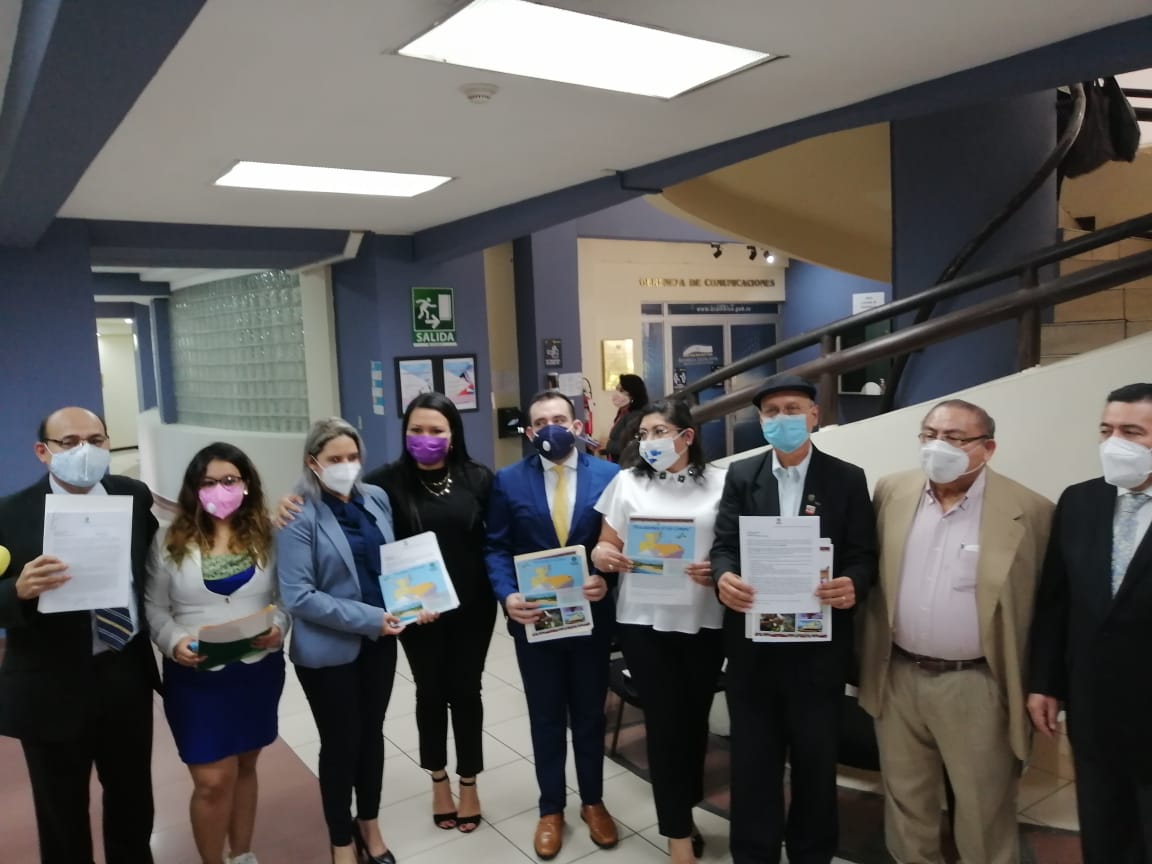
The Tri-national Network for the Rescue of the Lempa River operates under the theme of work axes, in which actions are planned that contribute to reducing problems that directly affect the Lempa River. On this occasion, Axis 3 of the Network has been announced. In this context, a piece of correspondence has been drafted which will be presented to the Legislative Assembly of El Salvador.
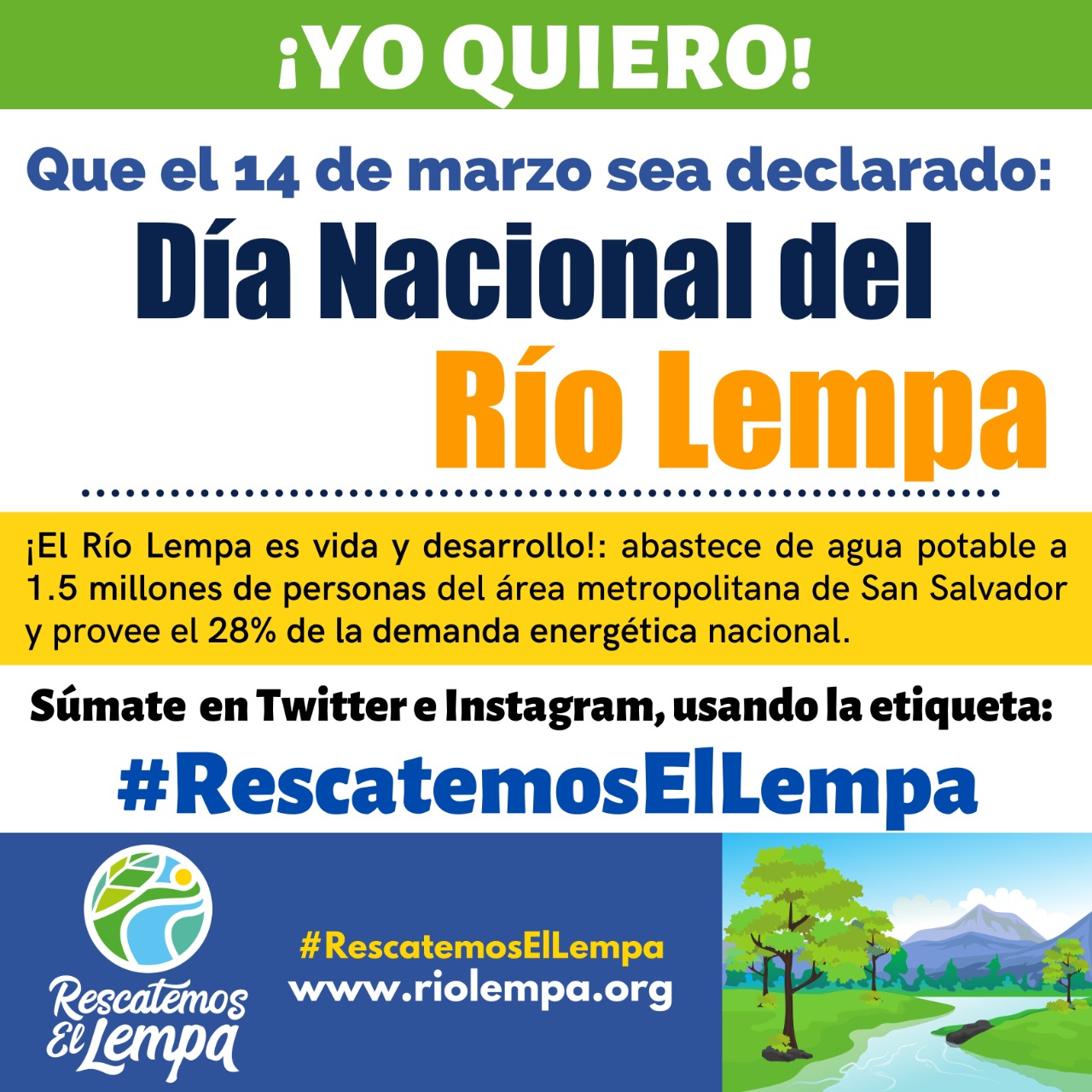
The Lempa River supplies drinking water to 1.5 million people in the San Salvador metropolitan area and provides 28% of the national energy demand. Its basin is home to 3.8 million people in Guatemala, Honduras, and El Salvador. Despite its importance, the Lempa River is heavily polluted along almost its entire course by different sources of pollution generated in the three countries.
The Lempa River basin has a wide variety of ecosystems spread over more than 2,800 meters of altitude difference and almost 18,000 square kilometers of area distributed between Honduras, El Salvador, and Guatemala. These ecosystems represent a large part of Central America's natural heritage, home to thousands of species that need our common commitment to the conservation of terrestrial and aquatic ecosystems to ensure their survival.
March 14 is World Day of Action in Defense of Rivers and Against Dams. Every year, thousands of people around the world raise their voices to celebrate the world's rivers and those who fight to protect them.
Therefore, as citizens, we join the petition of the Tri-national Network for the Rescue of the Lempa River, which requests that the Legislative Assembly of El Salvador issue a Legislative Decree declaring March 14 as National Lempa River Day, establishing that all public and private institutions promote the importance of protecting the Lempa River and its basin.
The Lempa River is life. #RescatemosElLempa
You can sign the petition at https://www.change.org/RescatemosElLempa
On November 27, 2020, the “Presentation of the Ordinance Prohibiting Single-Use Plastics” was held at the Redondel Constitución in San Salvador, El Salvador.
The Tri-national Network for the Rescue of the Lempa River operates under the theme of work axes, in which actions are planned that contribute to reducing problems that directly affect the Lempa River. On this occasion, the Network's Axis 1 addresses the problem of plastic pollution. In this context, work has been done on the first model ordinance for the regulation of plastic consumption, which will be implemented in the municipality of Candelaria de la Frontera, Santa Ana, El Salvador.
This Friday, November 27, the start of the Christmas shopping season is celebrated around the world with “Black Friday,” a day that promotes hyper-consumerism and encourages millions of people to make massive purchases that also end up generating massive amounts of waste. Especially plastic waste.
Globally, we discard 20 tons of plastic waste every minute, and each year, nearly 10 million tons of this waste ends up directly in the oceans, where it accumulates. By 2050, it is estimated that there will be more plastic than fish in the sea. Currently, the plastic garbage island in the Pacific Ocean is 74 times larger than El Salvador. This is despite the fact that only 30% of the plastic in the oceans remains on the surface. The vast majority sinks to the depths or breaks down into what we call microplastics, plastic particles so small that we cannot see them with the naked eye. These plastic particles are now everywhere, in our food, our water, and even the air. It is estimated that each person consumes 5 grams of plastic per week, which is equivalent to a credit card, and a baby fed from a plastic bottle ingests 1.6 million microplastics per day. We still do not know the effects that plastics will have on our bodies, but we do know that plastics are loaded with various chemicals, and several studies have shown that the plastics we use daily contain substances called endocrine disruptors, which affect the body's metabolism, causing, among other effects, weight gain and possible effects on neurological, immunological, and reproductive processes. Equally alarming is the fact that 40% of all plastic produced is used for less than 30 days, and much of it is used for only a few minutes or hours. This is the case with bags, straws, plastic cups, and disposable cutlery.
As a result of all this evidence worldwide, processes have been initiated to regulate and ban single-use plastics. In the Central American region alone, there are subnational or national examples of regulation and prohibition in Honduras, Guatemala, Costa Rica, and Panama. In Guatemala alone, 22 municipalities have specific bans on single-use plastics, and in Honduras there are even successful examples of bans on plastic bottles.
For many years, it has been evident to the entire Salvadoran population that our beaches, rivers, and ecosystems in general are increasingly polluted by plastics, and it is becoming increasingly challenging for municipalities to manage the large volumes of plastic generated daily. The volumes are so large that recycling is not a viable option for the proper management of this waste. Even in countries with highly advanced recycling systems, such as Germany, only 16% of plastic waste is recycled. The rest of the plastics that were separated and even reached recycling facilities end up in landfills abroad or are incinerated.
As the Tri-National Rescue Network, we are convinced that the only way out of the plastic crisis is to prohibit single-use plastics. That is why today we have delivered and presented to COMURES a model ordinance for the regulation and prohibition of single-use plastics, which municipalities nationwide can use to begin their own processes of regulating and prohibiting these products that are causing so much damage. As a network, we are fully prepared to support municipalities that decide to embark on this path.
We invite you to make this coming Friday a green Friday and join those who are taking advantage of this moment to help the environment.
Ask yourself if you really need everything you buy. It is your right to ask manufacturers for information about production processes, but also about waste management. Every time you buy something, think about the waste and garbage it generates. No matter how small it may seem, it all adds up. Try to avoid “disposable” products and say no to plastic bags or packaging.
If you are going to buy something, take the opportunity to do so in sustainable and locally-produced stores, consume organic products, and take the opportunity to make changes in your home. Buy reusable materials that help eliminate single-use plastics from your life. Do it for yourself, for your health, for the health of your family, and for all forms of life on this planet. We recommend using natural fiber bags or reusable bags to start making changes in your daily life.